Key Highlights: GLP-1 Side Effects
- GLP-1 side effects include both common digestive symptoms and rare but serious medical risks.
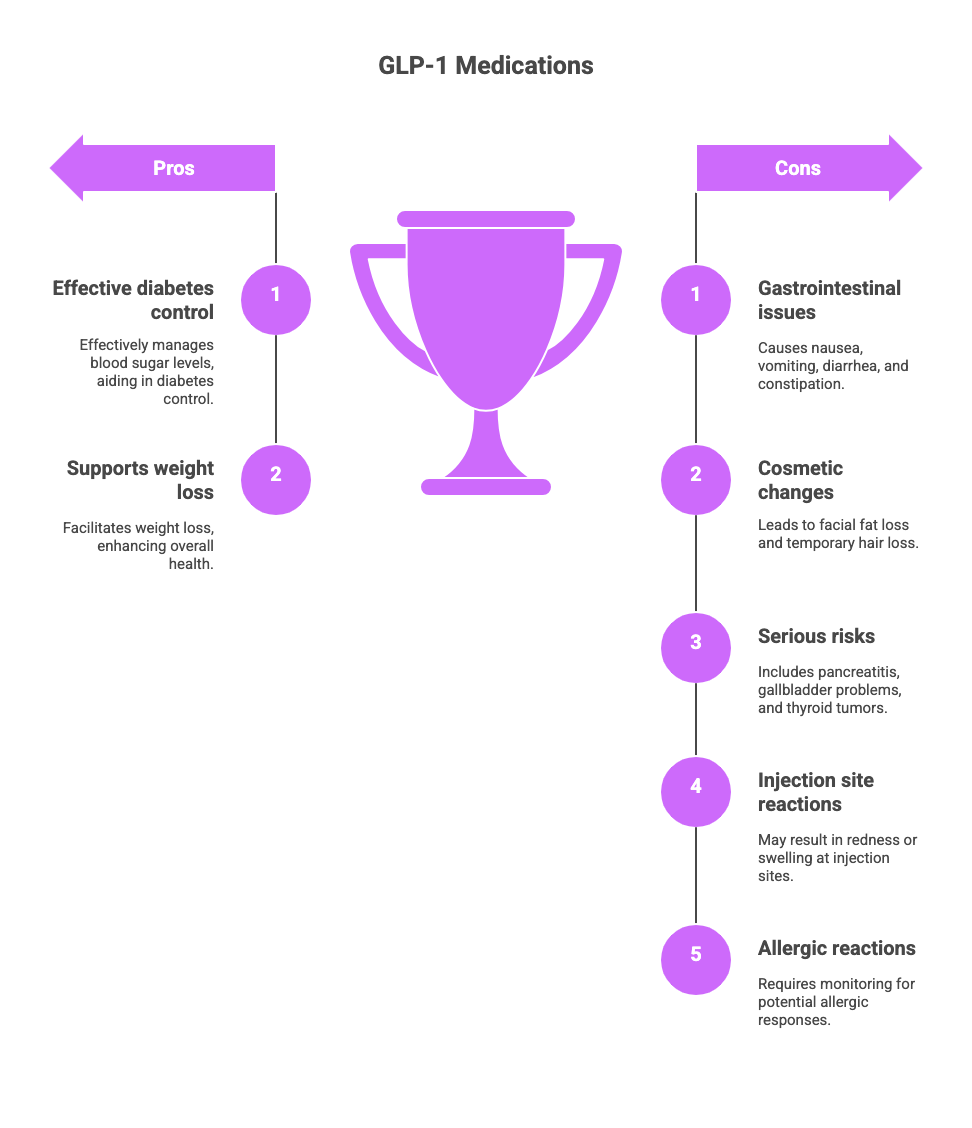
- Common problems include nausea, vomiting, diarrhea, constipation, bloating, heartburn, and reduced appetite.
- Some people notice facial fat loss, temporary hair shedding, or changes linked to rapid weight loss.
- Serious risks may include pancreatitis, gallbladder disease, dehydration, kidney injury, and possible thyroid concerns in selected patients.
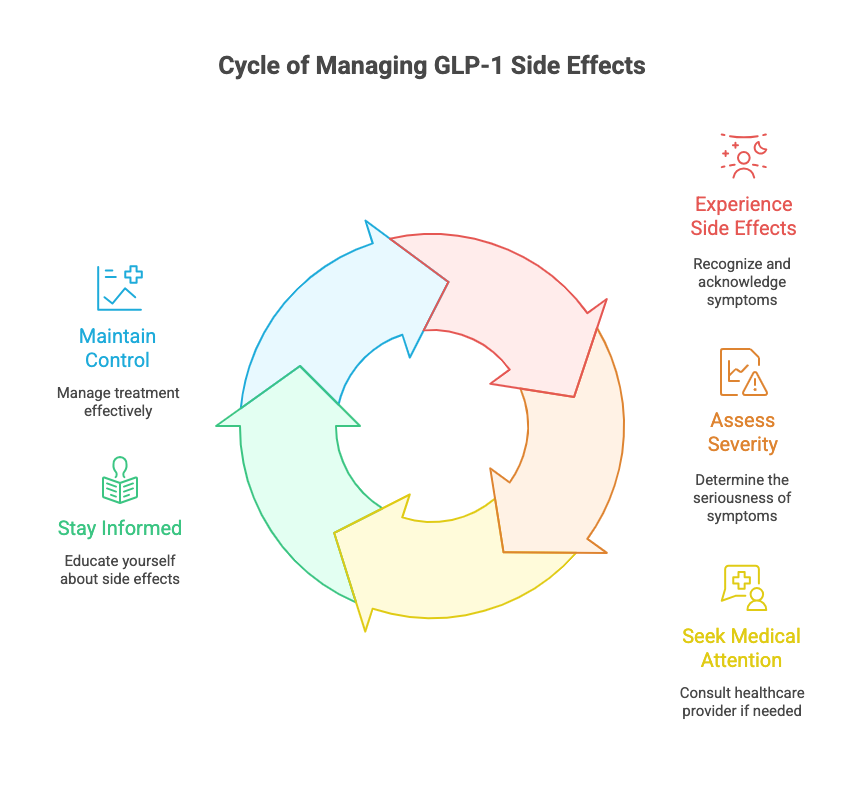
- Most mild symptoms improve with slower dose increases, smaller meals, hydration, and close follow-up.
- Severe abdominal pain, repeated vomiting, dehydration, or allergic symptoms need prompt medical attention.
GLP-1 Side Effects: What Patients Should Know
GLP-1 side effects are important to understand before starting medications such as Ozempic, Wegovy, Mounjaro, or Trulicity. These medicines can help with blood sugar control and weight loss, but they can also cause digestive symptoms and, in some cases, more serious complications that need quick medical evaluation.
Many patients tolerate these medications well, especially when doses are increased slowly. Still, knowing what is common, what is temporary, and what may be dangerous can help you stay safer and more comfortable during treatment.
How These Medicines Work
GLP-1 receptor agonists work by slowing stomach emptying, reducing appetite, and helping the body regulate blood sugar more effectively. That same mechanism explains why stomach-related symptoms are among the most common complaints, particularly after starting treatment or increasing the dose.
If you want a quick overview video, watch this short explanation here:
GLP-1 medication overview.

Common Side Effects
The most common side effects are nausea, bloating, vomiting, diarrhea, constipation, and early fullness. Some people also report heartburn, burping, or feeling uncomfortably full after only a small meal.
These symptoms are often worse when meals are large, greasy, spicy, or eaten too fast. In many cases, symptoms improve after the body adjusts to treatment.
How to Reduce Symptoms
- Start with the lowest dose: gradual dose changes often improve tolerance.
- Eat smaller meals: this may reduce nausea, bloating, and reflux.
- Avoid heavy, greasy foods: rich meals may worsen stomach symptoms.
- Drink enough fluids: hydration matters, especially with vomiting or diarrhea.
- Pause and call your clinician if symptoms escalate: ongoing vomiting or severe pain should not be ignored.

Less Common but Important Risks
Some patients notice cosmetic changes such as facial fat loss, sometimes referred to online as “Ozempic face,” or temporary hair shedding during rapid weight loss. These changes are usually related more to weight loss than to a toxic effect of the drug itself.
More serious concerns include pancreatitis, gallbladder disease, dehydration, kidney injury, and allergic reactions. People with severe upper abdominal pain, repeated vomiting, yellowing of the eyes, or reduced urination should seek urgent medical attention.
When to Get Medical Help
Call your clinician promptly if side effects are not improving, if you cannot keep fluids down, or if symptoms interfere with normal eating and drinking. Go urgently for severe abdominal pain, trouble breathing, facial swelling, persistent vomiting, or signs of dehydration.
For more patient education, you can also read our blog articles on diabetes and weight management.
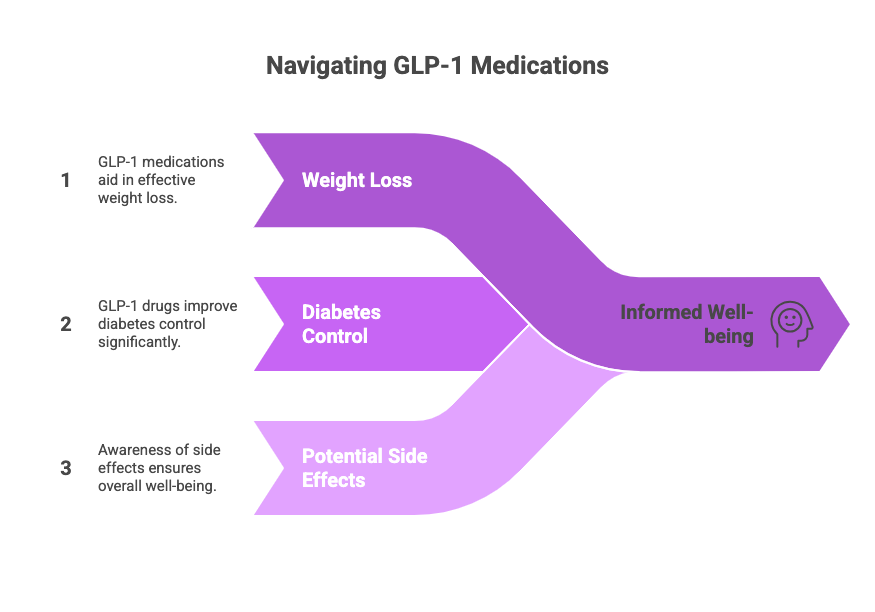
Understanding these risks can help patients make better treatment decisions and know when to ask for help. Educational only; talk to your clinician.