Why do I need a Primary Care Physician?
Introduction
Are you needing a healthcare provider but need help finding the right doctor?
A primary care physician (PCP) can be just the type of provider that meets your needs. These medical professionals are essential in providing Quick, comprehensive, and cost-effective care for people of all ages and serve as a first-line resource for diagnosing and managing various health concerns. They are disease prevention and medical doctor.
What is a primary care physician, and what services do they offer?
A primary care physician (PCP) is a general doctor who provides general medical services to people of all ages. They are usually board-certified in either internal medicine or family medicine. They are the central point for coordinating patient care, including Acute care, chronic care, and preventive care.
Primary care physicians strive to provide comprehensive health care focused on the prevention and early treatment of diseases.
They assess patients’ overall health issues by obtaining a complete medical history; conducting physical examinations; performing diagnostic tests; evaluating results; determining diagnosis and treatment options; ordering or prescribing medications or treatments; monitoring progress during follow-up visits; providing immunizations against infectious diseases; referring patients to doctors who specialize in treating certain conditions or diseases when necessary.
In addition to general medical advice and guidance, primary care physicians also counsel their patients on healthy lifestyle habits such as nutrition, exercise, stress reduction techniques, and general wellness practices.
PCPs often maintain long-term relationships with their patients so that they can better understand their individual needs over time. By diagnosing illnesses quickly and accurately at the onset of symptoms or problems, PCPs can ensure that proper treatments are provided promptly for optimal patient outcomes.
What are the unique attributes of a primary care physician?
PCPs, understand their patients’ general healthcare needs, including physical, mental, and emotional health. They help to establish a comprehensive treatment plan that suits those general needs while offering general guidance on diet and lifestyle.
In addition to assessing and treating acute illnesses, they also provide screenings and immunizations to prevent future health risks. Furthermore, PCPs make referrals to specialists when needed and coordinate care with other providers, such as surgeons or physical therapists.
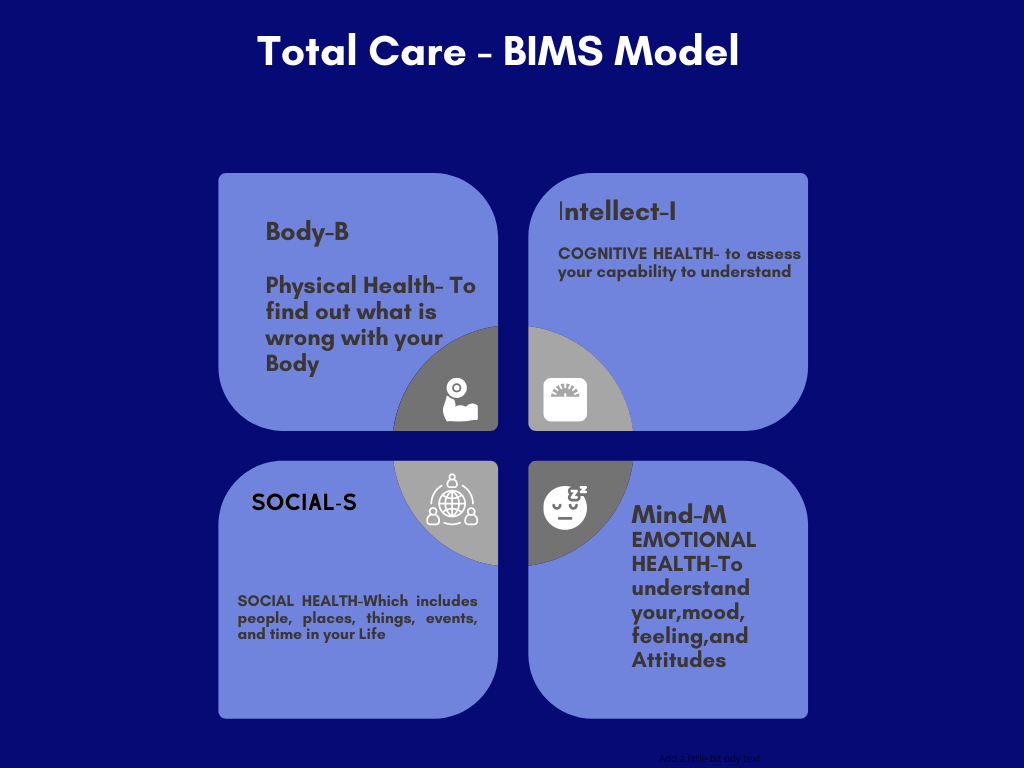
Simply put, a PCP is more than just your general doctor. They are essential partners in your overall healthcare goals by providing the primary care services you need to stay healthy. With the help of a PCP, you can create an individualized plan for your general well-being and receive support throughout each step of that journey.
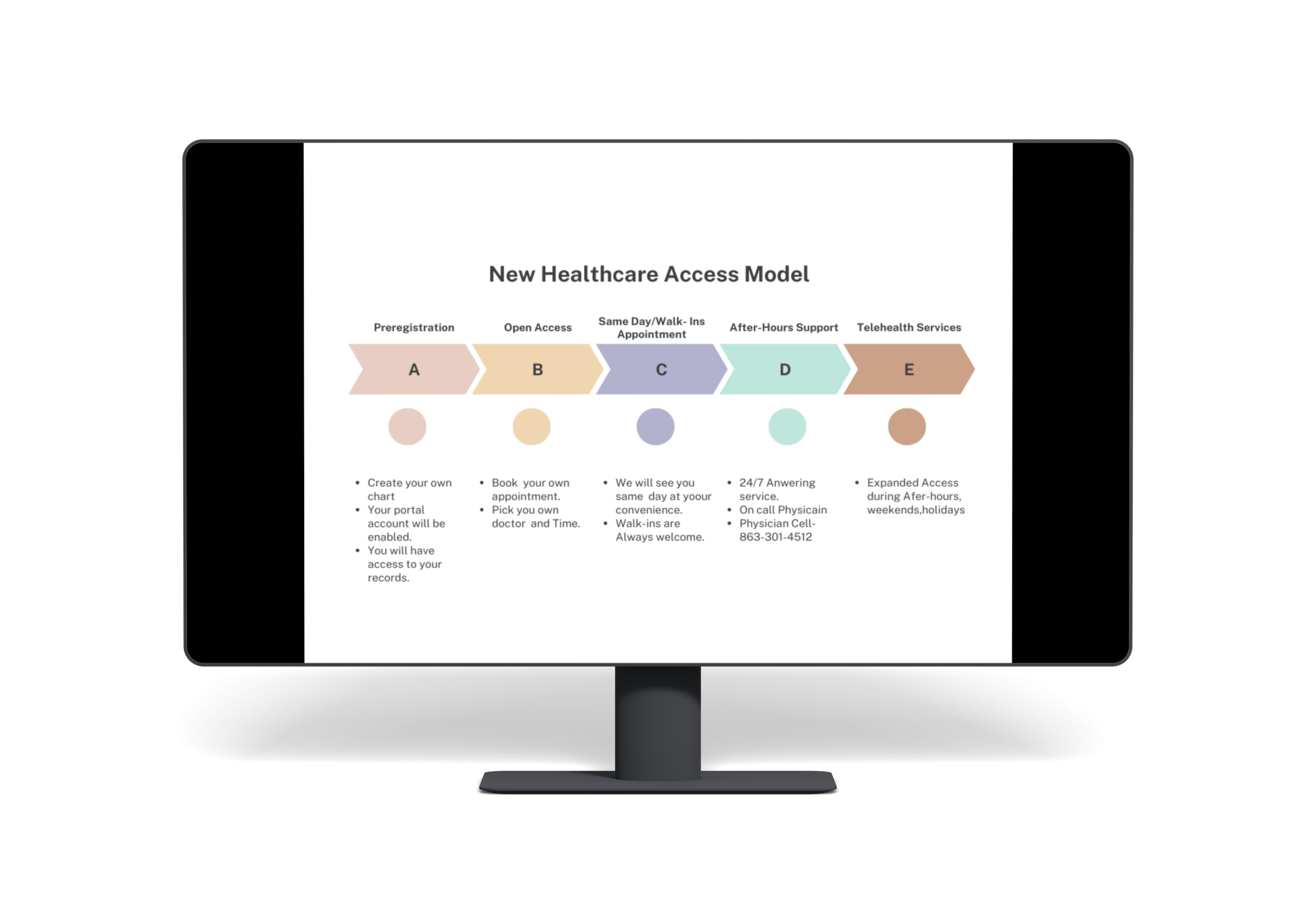
Your PCP’s office should provide you with facilites to schedule your appointments via Open Access on web and also on your patient portal. You should expect complete and tranparent access to your medical records with capabilties to communicate with your Practice.
To learn more about the role of a primary care physician, the American Academy of Family Physicians explains how primary care improves long-term health outcomes. You can also explore the medical services we offer at Shield Medical Group to see how our team can support your care.
How to choose the right primary care physician
Choosing the right primary care physician is one of the most important decisions you can make for your long-term health. Look for a physician who is accepting new patients, participates with your insurance plan, and offers convenient options such as same-day appointments, walk-in hours, and telehealth visits. It also helps to consider the physician’s experience with your specific needs, whether that is chronic disease management, preventive screenings, or pediatric and family care. A good primary care physician listens carefully, explains conditions in plain language, and coordinates with specialists when needed.
Building a lasting relationship with a trusted primary care physician means someone who knows your history is always ready to guide your care, answer questions, and help you stay healthy at every stage of life.