Key Highlights
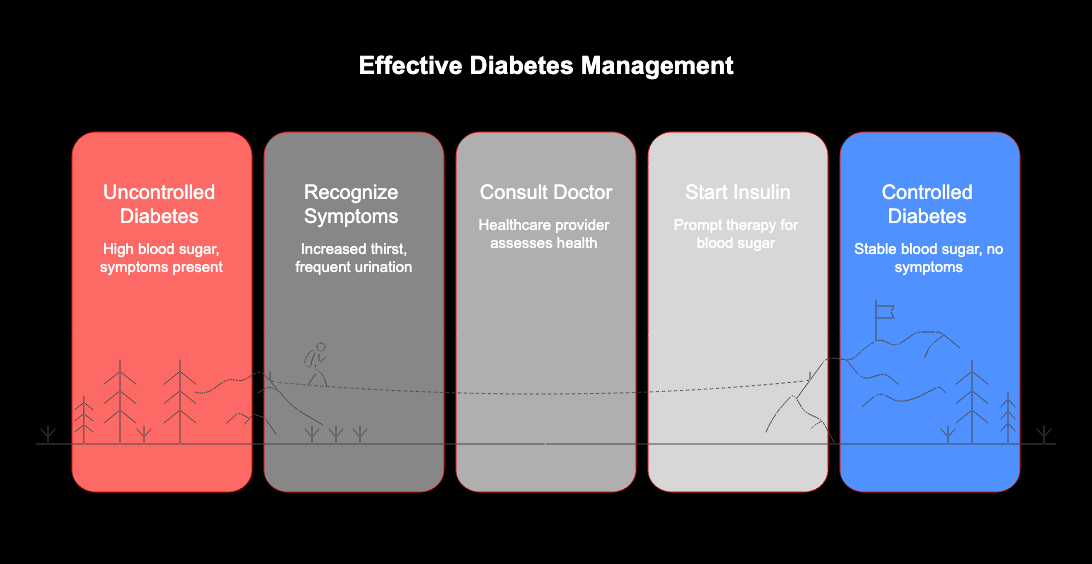
- Starting insulin therapy promptly is a key part of effective diabetes management when other treatments are not enough.
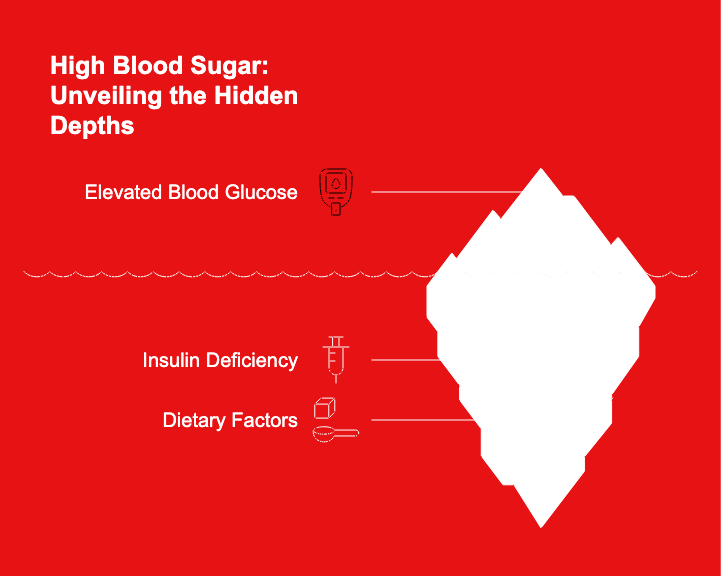
- Persistently high blood sugar is a primary indicator that you may need immediate insulin.
- Pay attention to symptoms of uncontrolled diabetes, such as increased thirst, frequent urination, and blurred vision.
- A healthcare provider determines the need for insulin based on your health status and how well other medications are working.
- Delaying recommended insulin treatment can lead to serious short-term and long-term health complications.
Introduction
Navigating diabetes management can bring up many questions, and one of the most significant is about starting insulin therapy.
While oral medications and lifestyle changes are often the first line of defense, there are times when your body needs more help to control blood sugar.
Knowing when to start insulin right away is crucial for your long-term health.
Understanding when to start insulin, and recognizing the signs you need insulin, helps you avoid serious complications.
Are you aware of the signs that signal your diabetes management plan needs to change? Let’s explore the key indicators that it’s time to talk to your doctor about insulin.
https://youtube.com/shorts/cTuvYB5L3oA
Understanding Insulin Therapy in Diabetes Management
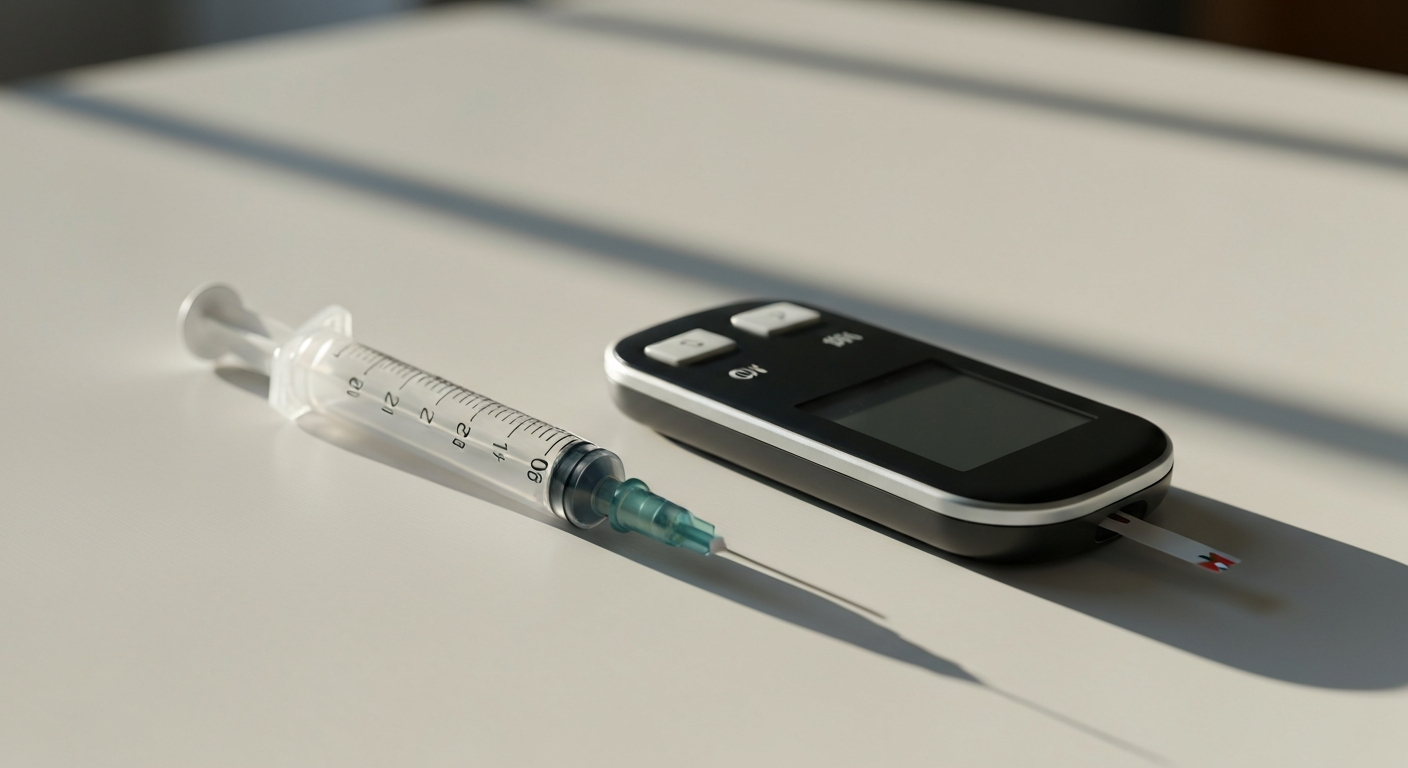
Insulin therapy is a cornerstone of diabetes management for many people, helping to keep blood glucose levels in a healthy range.
When your body can’t produce enough insulin on its own, prescribed insulin steps in to do the job, preventing the complications of high blood sugar.
There are different types of insulin designed to work in various ways.
Understanding what insulin is and the main differences between them can help you feel more confident in your treatment plan.
For trusted background, the American Diabetes Association offers helpful patient guidance.
What Is Insulin and Why Is It Needed for Diabetes?
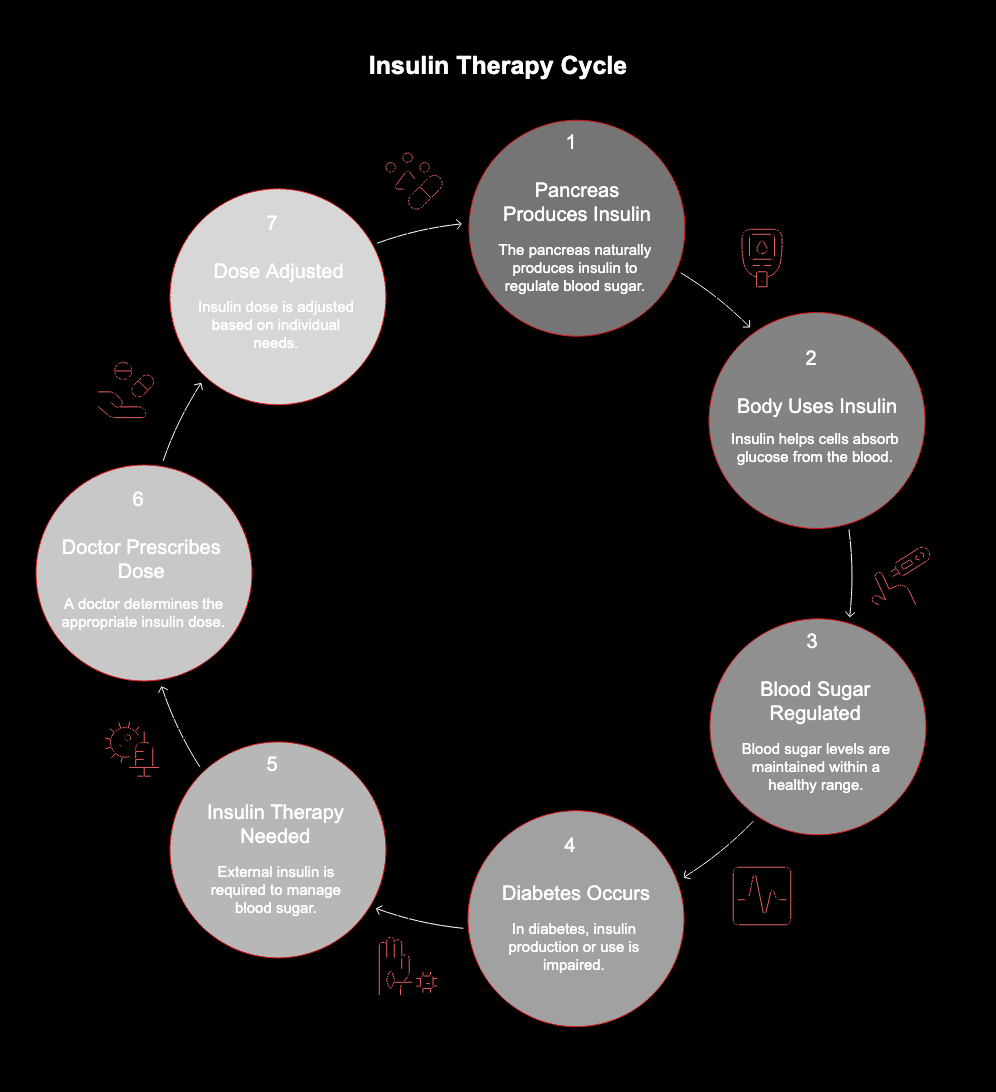
Insulin is a hormone that your pancreas would normally produce to help regulate blood sugar.
In people with diabetes, the body either doesn’t make enough insulin or can’t use it effectively. This is why insulin treatment becomes necessary.
For individuals with type 1 diabetes, insulin therapy is essential for their whole life.
For those with type 2 diabetes, insulin is recommended when other treatments, like oral medications, are no longer sufficient to manage blood glucose.
Starting insulin for type 2 diabetes is a common and safe step when pills stop working.
The goal is to provide the right amount of insulin to keep you healthy and prevent the symptoms of high blood sugar.
Working with your doctor helps ensure you get the correct insulin dose for your specific needs, which can change based on factors like illness, stress, or activity levels.
You can also learn more in our diabetes care articles.
Differences Between Long-Acting and Short-Acting Insulin
When you begin insulin treatment, your healthcare provider will prescribe one or more types of insulin.
The two main categories are long-acting and short-acting insulin, and they serve different purposes in managing your blood sugar throughout the day.
Long-acting insulin provides a steady, background level of insulin to keep your blood glucose stable between meals and overnight.
In contrast, short-acting insulin is taken before meals to manage the spike in blood sugar that occurs after you eat.
Your required insulin dose for each type will depend on your weight, activity, and diet.
Here’s a simple breakdown of their differences:
| Feature | Long-Acting Insulin | Short-Acting Insulin |
|---|---|---|
| When to Take | Once or twice a day, at the same time each day. | Around 30 minutes before each meal. |
| Primary Goal | Provides a consistent baseline of insulin. | Manages blood sugar spikes from meals. |
| Dose Calculation | Usually a set dose prescribed by your doctor. | Dose is often adjusted based on carbohydrate intake. |
Key Signs That You Need to Start Insulin Right Away
Recognizing the key signs that your body needs insulin is vital.
These are the signs you need insulin, and if your current diabetes plan isn’t keeping your blood sugar levels under control, your body will start showing symptoms of high blood glucose.
These signals are your body’s way of telling you that it’s time for a more effective treatment.
Listening to your body and monitoring these changes can help you and your doctor decide on the next steps.
Let’s look at some of the most important signs that you may need to start insulin immediately.
Rapidly Rising Blood Sugar Levels
One of the most direct signs is consistently high blood glucose readings that don’t come down with your current treatment.
If you are tracking your blood sugar and notice it is frequently elevated, it’s a clear warning. This indicates that your body is struggling to manage glucose on its own.
The risk of high blood sugar increases when your body has too little insulin.
You may notice this after eating certain foods, particularly high sugar snacks, but persistent elevation is the main concern.
Symptoms that often accompany rapidly rising blood sugar include:
- Feeling very thirsty
- Needing to urinate more often than usual
- Constant tiredness or fatigue
- Blurred vision
If you experience these, it’s important to speak with your healthcare team.