🩺 By Dr. Kulmeet Kundlas, MD — Board-Certified Internal Medicine, Shield Medical Group
Learn how fiber reverses type 2 diabetes, lowers cholesterol 24%, and mimics Ozempic naturally. Dr. Kundlas MD shares a 30-gram fiber plan for better health.
Fiber for Type 2 Diabetes: How to Reverse Disease Naturally
By Kulmeet Kundlas MD, Board-Certified Internal Medicine, Shield Medical Group — Sebring & Lake Wales, Florida
Fiber for type 2 diabetes may be the most overlooked tool in medicine. Type 2 diabetes mellitus is one of the most common chronic conditions in America, and its complications — heart attack, stroke, and kidney disease — are devastating. But what if the most powerful tool for reversing type 2 diabetes doesn’t come from a pharmacy? It comes from your plate. The secret ingredient is fiber, and most Americans are getting only half the amount they need every single day.
High blood sugar acts like liquid sandpaper inside your blood vessels. It shears away the protective gel-like layer — called the glycocalyx— on the inner lining of your arteries. Once that layer is damaged, blood pressure forces and LDL cholesterol slip underneath, forming soft plaques that lead to heart attacks and strokes. Fiber directly combats this process by lowering blood sugar spikes, reducing cholesterol, and feeding the gut microbiome that keeps your entire body healthy.
In this guide, we will walk through exactly how fiber works, how much you need, the best sources, and how to add it to your diet safely and effectively.
How High Blood Sugar Damages Your Blood Vessels
To understand why fiber matters so much for type 2 diabetes, you first need to understand what high blood sugar does inside your body.
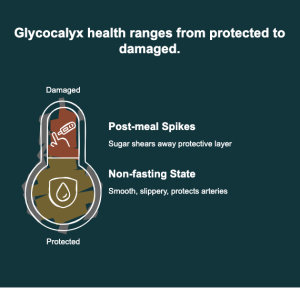
Your blood vessels are lined with endothelial cells. On the inner surface of these cells sits a delicate, gel-like protective coating called the glycocalyx. In a normal, non-fasting state, this layer measures about 1.7 liters in total volume throughout your vascular system. It is smooth and slippery by design — nature’s way of protecting your arteries.
When blood sugar runs high, especially during post-meal spikes, that sugar literally shears this protective layer away. Think of it as liquid sandpaper grinding down the inside of your arteries.
The Three-Hit Damage Cascade
Once the glycocalyx is damaged, a dangerous chain reaction begins:
- High blood sugar strips away the protective gel coating
- Blood pressure shearing forces further damage the exposed endothelial cells
- LDL cholesterol— the “sludge” in your blood — slips beneath the damaged lining and forms soft plaques
These soft plaques are the ones that rupture, causing heart attacks and strokes. This is exactly why every diabetic patient needs blood pressure medication regardless of their blood pressure reading — those medications protect this mechanism. It is also why your doctor prescribes cholesterol-lowering medication once you are diagnosed with type 1 or type 2 diabetes.
After eating a heavy carbohydrate meal, the glycocalyx layer can decrease to almost half its normal volume. That is a major cardiovascular risk factor that most people never think about. The good news? Fiber directly reduces these dangerous blood sugar spikes.
Why the American Diet Fails: Processed Food and Fiber Deficiency
The average American adult should consume about30 grams of fiber per day. Most Americans and people in the Western world consume no more than 15 grams — exactly half. This fiber gap is at the root of many chronic diseases.
Consider what is actually in your stool. It may surprise you:
- 75% water
- 25% solid material, which breaks down into:50% bacteria (your colonic microbiome)
- Undigested fiber
- Shed inner lining of the colon wall
- Very small amounts of protein and fat
What comes out in the toilet is to your steak or your bread. Your body is extremely efficient at absorbing those nutrients. What comes out is primarily fiber and the bacteria that feed on that fiber. If you are not eating enough fiber, you are literally starving your gut microbiome.
The Processed Food Problem
Between 60 and 90 percent of calories in the average American household come from processed and ultra-processed foods. When food is altered from its original composition and texture, manufacturers add emulsifiers, stabilizers, and chemicals to bind ingredients, improve shelf life, and enhance taste.
These additives cause serious damage:
- Gut microbiome destruction— Emulsifiers kill and change beneficial gut bacteria
- Decreased short-chain fatty acid production— The beneficial compounds your gut bacteria produce
- Inflammation and immune disorders— Including IBS and ulcerative colitis
- Mental health problems— Gut bacteria produce the same neurotransmitters as your brain
- Artificial sweetener harm— While calorie-free in a lab, they devastate your gut microbiome
This cascade of damage traces back to 1960, when the FDA began approving emulsifiers, stabilizers, and other chemicals as safe food additives. Understanding this context helps explain why learning to manage your metabolic health through diet is so important.
Soluble vs. Insoluble Fiber: Two Powerful Mechanisms
Fiber is one of seven components of food — alongside fats, proteins, carbohydrates, water, minerals, and electrolytes. But fiber is unique because your body does not digest it. Instead, it performs two distinctly different and life-changing jobs depending on its type.
All fibers have three key properties:
- Solubility— Does it dissolve in water?
- Viscosity— Does it form a gel or sponge-like structure with water?
- Fermentability— Can your gut bacteria break it down and use it?
These three properties determine how fiber helps reverse type 2 diabetes mellitus and protect your cardiovascular system.

Soluble Fiber: The Liquid Sponge
Soluble fibers — found primarily in oatmeal, barley, and quinoa— dissolve in water and create a mushy, sponge-like gel in your stomach. This gel does several remarkable things:
- Slows stomach emptying— Food passes into the small intestine more gradually
- Traps carbohydrates— Releases sugar slowly, preventing dangerous blood sugar spikes
- Triggers satiety signals— Specialized cells at the end of the small intestine sense the fiber and tell your brain you are full
- Soaks up bile salts— Bile salts are made from cholesterol. When fiber absorbs them and flushes them out, your liver must use more cholesterol to make new bile salts
This bile salt mechanism is how eating fiber lowers cholesterol by up to 24%. That is in the same ballpark as many prescription cholesterol-lowering drugs. If you combine a proper fiber intake with other comprehensive health strategies, the results can be remarkable.
Insoluble Fiber: Fuel for Your Gut
Insoluble fibers — found in whole food plant-based sources. like beans, lentils, salads, and vegetables — pass through your digestive tract largely intact. But when they reach your colon, your gut bacteria feast on them through fermentation.
This fermentation produces short-chain fatty acids (SCFAs)— three powerful compounds:
- Acetate— Travels to your brain and signals satiety. This is why a high-fiber meal keeps you full and energized all day
- Propionate— Goes to your pancreas and improves insulin resistance
- Butyrate— The preferred fuel for your colon wall lining. It repairs the colon, reduces inflammation, decreases joint pain, and improves absorption
Fiber Works Like Ozempic: The Natural GLP-1 Connection
There is a reason social media has coined the term“Oatzempic”— and the science backs it up. When fermentable fibers reach your colon and your gut bacteria produce short-chain fatty acids, especially butyrate and acetate, they stimulate your pancreas to produceGLP-1.
GLP-1 is the. exact same mechanism targeted by some of the most popular medications on the market today:
- Ozempic
- Wegovy
- Mounjaro
- Zepbound
- Trulicity
Your body can produce this naturally. You just have to eat what nature intended you to eat. Feed your gut microbiome properly and they will produce GLP-1 in your gut — no injection required.
This brain-gut axis signaling is one of the most exciting areas of metabolic research. The fiber you eat feeds bacteria that produce chemicals which talk to your brain, your pancreas, and your colon simultaneously. If you are currently taking aGLP-1 agonist medication, adding fiber is still essential — it enhances the drug’s effects and combats constipation, the number one side effect that causes patients to stop treatment.
How to Add 30 Grams of Fiber to Your Diet
If you eat 30 grams of fiber per day, research shows you can expect these results:
- Lower hemoglobin A1C by 0.75%— equivalent to medications like Farxiga, Jardiance, or metformin
- Decrease all-cause mortality by 30%
- Reduce stroke risk by 20%
- Lose 7 to 8 pounds just by changing this one habit
For males, the ideal target is 30 to 35 grams per day. For females, about 7 grams less. Here is how to measure and plan your fiber intake using simple serving sizes:
Fiber Content by Food Group
- 1 cup beans, legumes, or lentils— 15 grams (the highest fiber source)
- 1 cup grains(quinoa, brown rice, white rice) — 5 grams
- 1 piece of fruit— approximately 3 grams
- 1 cup salad— 3 grams
- 2 tablespoons chia seeds— 10 grams (highest among seeds)
- 1 cup raspberries— 8 grams (highest among berries)
A common mistake: many people eat three or four cups of salad and still remain constipated. Salad alone does not provide enough fiber. You need to combine legumes, grains, fruits, and vegetables to reach your 30-gram target.
A note about nuts:One cup of nuts provides 10 to 12 grams of fiber but adds approximately 500 calories. Watch your calorie intake when choosing fiber sources.
A Simple High-Fiber Breakfast
Combine yogurt with one cup of raspberries and one to two tablespoons of chia seeds. That single meal provides approximately 18 grams of fiber. Your cholesterol will go down, your blood sugar will improve, and you will feel fuller longer.
Three Critical Rules for Adding Fiber
- Eat fiber first.Start every meal with your fiber-rich foods. By the time the rest of the food enters your gut, the liquid sponge will be ready and will prevent blood sugar spikes
- Add slowly.Increase by about 5 grams per week. Going from 15 to 30 grams overnight will cause bloating and discomfort. Give your gut microbiome time to adapt
- Hydrate.Fiber needs water to form its gel and work properly. Drink plenty of water throughout the day
Medication timing warning:Do not take fiber at the same time as metformin or levothyroxine(thyroid medication). The fiber sponge can trap these medications and flush them out before they are absorbed. Take these medications on an empty stomach, separated from fiber-rich meals.
If you are taking GLP-1 agonist medications and struggling with constipation, adding fiber is one of the most effective solutions. It addresses the number one reason patients discontinue these medications while also boosting the drug’s natural GLP-1 effect in your body. Discuss your specific dietary and medication plan with your healthcare provider.
Signs of Fiber Deficiency and Daily Health Habits
How do you know if you are not getting enough fiber? Watch for these warning signs:
- Chronic bloating
- Persistent constipation
- Irritable bowel syndrome symptoms
- Chronic inflammation and joint pain
- High blood sugar spike (visible on continuous glucose monitors)
If you are experiencing any of these symptoms, a fiber-deficient diet may be a significant contributing factor. With a continuous glucose meter, you can actually see how your blood sugar spikes to 200, 300, or even 400 after certain meals — and how eating fiber first dramatically reduces those spikes.
Five Daily Micro Habits for Better Health
Fiber is one piece of a complete health strategy. Dr. Kundlas recommends these daily habits for every patient:
- Exercise30 minutes, seven days a week
- Eat a high-fiber diet— target 30 to 35 grams daily
- Sleep7 hours and 18 minutes per night
- Manage stress through mindful practices
- Build relation ships and social connections
These habits work together to protect your cardiovascular system, support your gut microbiome, and help prevent chronic disease progression.
Medical Disclaimer:This content is for educational purposes only and does not constitute medical advice, diagnosis, or treatment. Always consult your healthcare provider before making changes to your diet or medication regimen. Individual results may vary based on your specific health conditions and history.
Frequently Asked Questions
Frequently Asked Questions About Fiber and Type 2 Diabetes
Will fiber lower my hemoglobin A1C?
Yes. Eating 30 grams of fiber daily can lower your hemoglobin A1C by approximately 0.75 percent — equivalent to medications like metformin, Farxiga, or Jardiance. This improvement comes from fiber slowing carbohydrate absorption and reducing post-meal blood sugar spikes.
Does fiber lower blood sugar?
Absolutely. Soluble fiber forms a gel in your stomach that traps carbohydrates and releases them slowly, preventing dangerous post-meal blood sugar spikes. Fiber will not raise your blood sugar because it is not absorbed by your body — it stays in your gut.
What fiber works like Ozempic?
Fermentable insoluble fibers found in beans, lentils, and vegetables work like Ozempic. When these fibers reach your colon, gut bacteria ferment them and produce short-chain fatty acids that stimulate natural GLP-1 production — the same mechanism targeted by Ozempic, Wegovy, and Mounjaro.
How quickly does fiber lower cholesterol?
Fiber begins working the same day you eat it by soaking up bile salts made from cholesterol and flushing them out. Over time, consistent fiber intake can lower cholesterol by up to 24 percent. The key is consistency — eating 30 grams of fiber daily as a long-term habit.
Should I take fiber with GLP-1 medications?
Yes. Adding fiber while taking GLP-1 agonists like Wegovy, Mounjaro, or Zepbound helps combat constipation, which is the number one side effect causing patients to stop treatment. Fiber also boosts your body’s natural GLP-1 production, enhancing the medication’s effects.
How much fiber should I eat per day?
Adults should eat approximately 30 grams of fiber daily. Males should aim for 30 to 35 grams, and females about 7 grams less. Start slowly — add about 5 grams per week to give your gut microbiome time to adjust and avoid bloating.
What is the difference between soluble and insoluble fiber?
Soluble fiber dissolves in water and forms a gel-like sponge that slows digestion, reduces sugar spikes, and soaks up cholesterol. Insoluble fiber passes intact to your colon where gut bacteria ferment it, producing short-chain fatty acids that improve brain signaling, insulin resistance, and colon health.
What are the signs of fiber deficiency?
Common signs include chronic bloating, persistent constipation, irritable bowel syndrome symptoms, chronic inflammation, and high blood sugar spikes after meals. If you are eating less than 15 grams of fiber daily, you are likely experiencing some degree of fiber deficiency.
Key Takeaways: Fiber for Type 2 Diabetes
Fiber for type 2 diabetes is one of the simplest, most powerful tools you can use every day. Aiming for about 30 grams of fiber daily helps slow sugar absorption, lower cholesterol, and support a natural GLP-1 response. Start with one high-fiber meal, add beans, oats, and vegetables gradually, and drink plenty of water. When you make fiber for type 2 diabetes a daily habit, you give your body a steady, food-based way to manage blood sugar. For trusted guidance, review the American Diabetes Association’s fiber resources and the CDC’s healthy eating guidance, and always discuss changes with your own clinician.