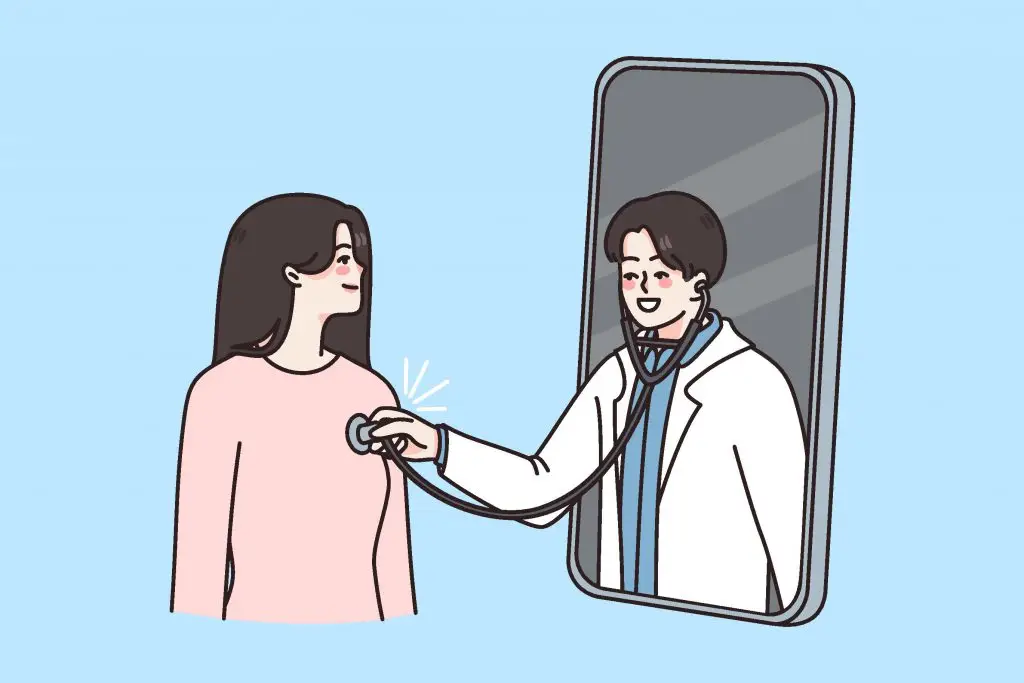
🩺 By Dr. Kulmeet Kundlas, MD — Board-Certified Internal Medicine, Shield Medical Group
Chronic disease prevention is one of the most important things you can do for your long-term health. Learn how to prevent and manage chronic diseases with balanced diet, exercise, and lifestyle changes. Dr. Kundlas answers 15 essential questions on chronic disease.
Preventing and Managing Chronic Disease: 15 Questions Answered
Chronic disease prevention and management go hand in hand. If you or someone you love is living with a chronic medical condition, you are in the right place. In this comprehensive guide — adapted from anuntitled audio sessionsrecording by Dr. Kulmeet Kundlas — we answer fifteen of the most common questions patients ask about preventing and treating chronic disease. Whether you are dealing with diabetes, hypertension, high cholesterol, COPD, or complications from any long-term health condition, the principles covered here can help you take control of your well-being.
Watch: Things you Didn’t Know about Chronic Medical Diseases on YouTube
Did you know thatsixty percentof Americans have at least one chronic medical problem, andforty percenthave two or more? These conditions often start at a younger age than people expect, driven by unhealthy lifestyle habits. Over time they can lead to devastating complications — heart attack, stroke, Alzheimer’s disease — cutting into both lifespan and quality of life.
Dr. Kundlas walks through all fifteen questions in this untitled audio session, recorded at Shield Medical Group in Central Florida.
How Diet Prevents Chronic Disease: Untitled Audio Sessions Breakdown
No matter what goes into your mouth, every food you eat is made up of the same seven components in different proportions:
- Three macronutrients:fats, proteins, and carbohydrates
- Water
- Minerals— magnesium, zinc, iron, and more
- Vitamins— both water-soluble and fat-soluble
- Fiber
Your body stores these vitamins and minerals, uses them, excretes them, and needs them replaced on a daily basis. Good nutrition comes down to one word:balance. A balanced diet provides the necessary fats, proteins, carbohydrates, fiber, vitamins, and minerals your body requires.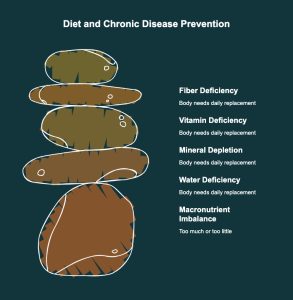
Processed vs. Unprocessed Food
Understanding food processing is critical to disease prevention:
- Unprocessed:Eating an orange whole, with all its fiber and nutrients intact.
- Processed:Squeezing that orange into juice — fiber and other beneficial components are removed.
- Ultra-processed:Refined grains stripped of fiber, then loaded with simple sugars, salt, and additives.
There is ongoing debate about which diet is best — the USDA pyramid emphasizes carbohydrates, while keto and Atkins rely more on proteins and fat. The truth is your body needseverything. If you consume one macronutrient far more than the others, you will develop deficiencies and complications.
Be Skeptical of Nutrition Studies
Most nutritional research relies on epidemiological studies — people report what they remember eating, which is unreliable. Even controlled studies introduce biases. Dr. Kundlas advises a practical approach: eat balanced, eat in moderation, and eat food in its most natural form whenever possible. The Mediterranean diet frequently tops the rankings in medical literature, but the methodology behind those studies deserves healthy skepticism.
If your diet lacks fiber, your gut microbiome is altered, potentially leading to metabolic and immune disorders. If you eat more calories than you need, obesity follows. The key is finding the middle ground with abalanced dietary plan guided by your primary care physician.
Chronic Disease Management Strategies for Older Adults
Dr. Kundlas sees what he calls “magic” every day in his practice. Even patients at age eighty-five recognize that their lifestyle and risk factors led to chronic medical problems — and they refuse to give up. They change their diet, start moving, and reclaim their quality of life.
“Today is the first day of the rest of your life.” — A patient’s words that changed Dr. Kundlas’s perspective.
Changing habits is harder in older adults, but the game is never over. The steps are the same at any age:
- Start exercising — even gentle movement counts.
- Eat a balanced diet.
- Control your emotions and prioritize sleep.
- Take all medications as prescribed.
- Be an active partner in your healthcare — question your providers.
Healthcare providers want your participation. The best outcomes come when patients are true partners in the care delivery model, not passive recipients.
Best Exercise Routine and the Impact of Obesity
Any decision to exercise must be individualized based on your medical condition. Talk to your physician first. The general guideline is30 minutes per day, five to seven days a week— totaling at least 150 minutes weekly. Your routine should include:
- Aerobic exercise— walking, swimming, cycling
- Strength training— resistance bands, light weights
- Balance and stability work— an area many people overlook
Dr. Kundlas shares his own experience with balance training. Despite a lifetime of athletics, he had no concept of basic stability until reading Dr. Peter Attia’s bookOutlive. Incorporating balance exercises transformed his approach to fitness despite chronic knee pain from old sports injuries.
Regular exercise reduces inflammation, improves mood, promotes better sleep, and addresses multiple risk factors simultaneously.
Understanding Obesity as a Lifestyle Indicator
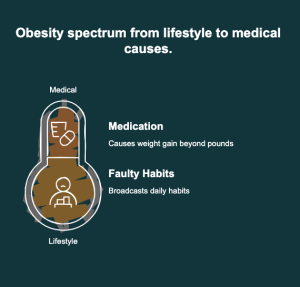
In Dr. Kundlas’s view, obesity is a billboard — it broadcasts your daily habits. It represents faulty eating patterns, lack of exercise, and often reliance on fad diets. Practically no disease or medication causes significant weight gain beyond five to six pounds. Meaningful weight gain is almost always a lifestyle issue.
The secret to overcoming obesity isnot willpower. Willpower is a weak faculty of the mind. Instead:
- Remove junk food from your house — if it is not there, you cannot eat it.
- Meal prep on a designated day each week.
- Learn nutrition fundamentals from your primary care physician.
- Avoid fad diets — they do not produce lasting results.
Untitled Audio Sessions on Mental Health, Smoking, and Genetics
Mental Health Support for Chronic Illness
Chronic illness places enormous cognitive and emotional burdens on patients. Depression and anxiety are common companions to long-term health conditions. Unfortunately, mental health services remain under-resourced and difficult to access quickly.
The good news is that telehealth has expanded dramatically since COVID. Most insurances now offertelepsych services— connecting you with psychologists and psychiatrists from your own device. Dr. Kundlas recommends:
- Asking your insurance about telepsych availability.
- Exploring cognitive behavioral therapy (CBT).
- Joining support groups — Facebook communities and local organizations can provide meaningful peer support.
Smoking and Chronic Disease
Smoking introduces chemical molecules into your body that affect far more than your lungs. They alter cholesterol levels, impair thinking, disrupt emotions and sleep, and damage muscles. Combined with other unhealthy behaviors, smoking leads to heart attack, stroke, COPD, and cancer.
Smoking is thefourth leading cause of chronic medical problems, alongside hypertension, diabetes, and high cholesterol. Every state has a quit program. In Florida, counselors provide symptom assessments, coping strategies, and nicotine replacement therapies — all free. It takes an average ofsix attemptsto quit completely, so do not be discouraged by setbacks.
The Role of Genetics
Genetics is a blueprint, but a blueprint alone does not build a building. You need workers and raw materials — meaning your daily habits are what write on that genetic blueprint. A healthy lifestyle that addresses body, emotions, thoughts, and social environment minimizes genetic risk factors significantly.
Precision medicine now allows physicians to understand your individual genetic profile and create targeted interventions. Healthcare information is doubling every fourteen days. Combined with healthy lifestyle choices, this technological progress opens extraordinary possibilities for chronic disease prevention.
Reversing Chronic Disease Through Lifestyle and Technology
This is Dr. Kundlas’s favorite topic. He shares the story of a patient in her eighties who had not left her home in years. Through telehealth visits and persistent education, she eventually committed to change. She lostseventy pounds, now walks a mile and a half daily, and has eliminated roughly sixty percent of her medications. She has a new lease on life.
Dr. Kundlas organizes human well-being intofive domains:
- Physical— your body, sleep, rest, exercise, nutrition
- Emotional— stability, gratitude, managing reactions
- Intellectual— critical thinking, stimulation, analyzing situations clearly
- Spiritual— your personal GPS for how you conduct your life
- Social— other people, places, things, events, and time
Taking care of all five domains is how you reverse chronic disease through lifestyle changes.
How Technology Is Transforming Care
Wearable devices like Apple Watches and Samsung watches collect data you may not even be aware of — VO2 max, high-intensity interval training metrics, pulse oximetry, sleep quality, and soon blood pressure. Continuous glucose monitors likeDexcomandLibrecheck blood sugar every one to five minutes, providing real-time feedback on how food and exercise affect your levels.
Digital health, telemedicine, integrated electronic medical records, and electronic health information exchange are revolutionizing how care is delivered. Dr. Kundlas shared an example of accessing a patient’s same-day blood work instantly through a shared interface — a process that previously took three to four days and hours of staff time.
Early Detection, Personalized Medicine, and Taking Action
See Your Primary Care Physician Regularly
An annual physical exam is one of the most powerful tools for early disease detection. Primary care physicians evaluate your risk factors and lifestyle to predict which chronic conditions you may develop — and help you prevent them through lifestyle changes before they take hold.
For cancer screening, five cancers account for the vast majority of diagnoses:
- Breast cancer— routine mammograms
- Cervical cancer— regular Pap smears
- Colon cancer— colonoscopies
- Prostate cancer— PSA testing
- Lung cancer— low-dose CT scans for smokers
Prescribed immunizations — flu, pneumonia, RSV, COVID — can make you practically immune to all major winter illnesses. The tools exist. The problem is not knowledge — it isaction.
Personalized Medicine: From 1.0 to 3.0
Dr. Kundlas describes the evolution of medicine through Dr. Peter Attia’s framework:
- Medicine 1.0:Observational remedies — herbs, exercise, potions. Never tested or reproduced.
- Medicine 2.0:Evidence-based medicine — studied, reproducible, backed by scientific data.
- Medicine 3.0:Prevention-focused and individualized. We understand why we get sick and can now tailor interventions to each patient’s unique biology.
Your body is different from everyone else’s. Factors like ethnicity affect how your liver and kidneys metabolize medications. Personalized medicine uses advanced testing to understand you individually and create custom treatment strategies. This approach is here now and continues to improve rapidly.
Environmental Factors and Quality of Life
Air pollution, chemicals, and poor water quality contribute to respiratory and other health problems. However, Dr. Kundlas applies thePareto Principle— taking care of the top twenty percent of controllable factors (diet, exercise, sleep, emotions, social environment) produces eighty percent of results. Environmental factors matter, but they are far less significant than lifestyle.
Chronic diseases lead to chronic complications that erode quality of life over time. Everyone wants a long, healthy life, but lasting improvement requires individual responsibility — not just a pill or procedure. Thehealthcare system works best when patients own their healthand become active participants.
A Collective Responsibility
Improving America’s health requires effort at every level:
- Individuals:Take small steps — balanced diet, regular exercise, consistent sleep, annual checkups.
- Healthcare providers:Shift focus toward prevention alongside treatment.
- Policy makers:Restructure incentives to reward keeping people healthy, not just treating the sick.
Medical Disclaimer:This content is for educational purposes only and does not constitute medical advice, diagnosis, or treatment. Always consult your physician before making changes to your health regimen. The information presented here is adapted from an educational video by Dr. Kulmeet Kundlas and represents general health principles, not individualized medical guidance.
Frequently Asked Questions
Frequently Asked Questions About Chronic Disease Prevention
Can chronic diseases be reversed through lifestyle changes alone?
Yes, many chronic diseases can be significantly improved or reversed through consistent lifestyle changes. Dr. Kundlas has seen patients in their eighties lose 60–70 pounds, reduce medications by 60 percent, and regain mobility by committing to balanced nutrition, regular exercise, quality sleep, and emotional well-being.
What is the best diet to prevent chronic disease?
A balanced diet that includes quality carbohydrates, healthy fats, proteins, fiber, water, vitamins, and minerals is best. No single fad diet works long-term. Eating whole, unprocessed foods in moderation — rather than favoring one macronutrient — provides the foundation for chronic disease prevention.
How much exercise do I need if I have a chronic condition?
The general recommendation is at least 150 minutes per week — about 30 minutes a day, five to seven days a week. Your routine should include aerobic activity, strength training, and balance and stability exercises. Always consult your physician before starting a new exercise program.
Does genetics determine whether I will develop a chronic disease?
Genetics provides a blueprint, but your lifestyle writes on that blueprint. Even if you carry genetic risk factors, maintaining healthy habits — proper nutrition, regular exercise, emotional stability, and social connectedness — can minimize the impact of genetics on your health significantly.
How can technology help me manage a chronic disease?
Wearable devices like smartwatches track VO2 max, sleep quality, and heart rate. Continuous glucose monitors provide real-time blood sugar feedback. Telemedicine enables remote visits with specialists, and integrated electronic health records allow faster, more accurate care coordination between providers.
What cancer screenings should I get for early detection?
Five key cancer screenings cover the majority of diagnoses: mammograms for breast cancer, Pap smears for cervical cancer, colonoscopies for colon cancer, PSA tests for prostate cancer, and low-dose CT scans for lung cancer in smokers. Talk to your primary care physician about which screenings are right for you based on your age and risk factors.