
Cardio vs Weights: Best for Weight Loss?
Choosing the right type of exercise can be confusing, especially if you’re trying to lose weight or manage a condition like diabetes. Many people wonder whether cardio or weight training is more effective for shedding pounds. Let’s explore both options to help you make an informed decision. This cardio vs weights guide compares both so you can choose the best mix for lasting results.
The Benefits of Cardio for Weight Loss
Cardiovascular exercise, often called cardio, includes activities like running, cycling, and swimming. These exercises are known for burning calories and improving heart health. According to the American Heart Association (AHA), regular cardio can help reduce the risk of heart disease and improve overall cardiovascular fitness.
Cardio exercises are effective for weight loss because they increase your heart rate and help burn a significant number of calories. This can lead to a calorie deficit, which is essential for weight loss. However, it’s important to combine cardio with a healthy diet for the best results.
The Role of Weight Training in Weight Loss
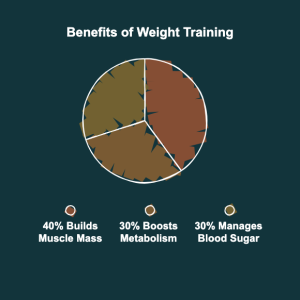
Weight training, or resistance training, involves exercises like lifting weights or using resistance bands. This type of exercise helps build muscle mass, which can boost your metabolism. The Centers for Disease Control and Prevention (CDC) notes that increased muscle mass can help your body burn more calories even at rest.
Muscle is often referred to as “medicine” because it plays a crucial role in managing blood sugar levels, especially for those with diabetes. By increasing muscle mass, you can improve your body’s ability to use insulin and control blood sugar levels more effectively.
Combining Cardio and Weight Training
For most people, a combination of both cardio and weight training is the best approach for weight loss and overall health. Cardio can help you burn calories and improve heart health, while weight training can increase muscle mass and metabolism.
According to the American College of Sports Medicine (ACSM), adults should aim for at least 150 minutes of moderate-intensity cardio per week and include strength training exercises for all major muscle groups on two or more days a week.
Exercise Timing and Diabetes Management
Exercise timing can also play a role in managing diabetes. Some studies suggest that exercising after meals can help lower blood sugar levels more effectively. However, it’s essential to find a routine that fits your lifestyle and that you can stick with consistently.
Frequently Asked Questions
- Q: Is cardio or weight training better for losing belly fat?A: Both can help reduce belly fat, but combining them is often most effective. Cardio burns calories, while weight training builds muscle, increasing metabolism.
- Q: How often should I exercise to lose weight?A: Aim for at least 150 minutes of moderate cardio weekly and strength training twice a week, as recommended by the ACSM.
- Q: Can exercise help control diabetes?A: Yes, regular exercise can improve insulin sensitivity and help manage blood sugar levels, especially when combined with a healthy diet.
Cardio vs Weights: Which Wins for Long-Term Weight Loss?
When people frame the debate as cardio vs weights, they often expect one clear winner. In reality, the cardio vs weights question is less about picking a side and more about how you combine them. Cardio drives an immediate calorie burn, while weights reshape your metabolism over weeks and months. If your goal is sustainable weight loss, the smartest cardio vs weights strategy is a weekly plan that includes both, scaled to your fitness level and any conditions like diabetes or high blood pressure.
A simple way to apply the cardio vs weights approach is to schedule three days of moderate cardio, two days of resistance training, and at least one rest day for recovery. The American College of Sports Medicine supports this balanced structure for adults, and pairing it with a nutritious diet accelerates results. For personalized guidance, especially if you manage a chronic condition, book a visit with the team at Shield Medical Group so your exercise plan fits your full health picture.
How to Balance Cardio vs Weights Each Week
Balancing cardio vs weights does not mean choosing one over the other. A weekly mix of steady cardio for calorie burn and resistance training for muscle and metabolism gives the best long-term weight loss results, adjusted to your fitness level and any medical conditions.
Educational only; talk to your clinician.