
Friday night. The smell of melted cheese and warm dough drifting through the house. Few things carry that kind of universal comfort, and if you’ve been diagnosed with diabetes, you may have wondered whether pizza night is now something you observe from the sidelines. So, can a diabetic eat pizza? The short answer is yes, absolutely. People with diabetes can eat pizza. The longer answer is that pizza behaves differently in your body than most other carbohydrate-heavy foods, and once you understand why, you have everything you need to enjoy it without a blood sugar surprise at bedtime.
This is exactly the kind of practical conversation that should happen with your primary care team. At Shield Medical Group in Sebring and Lake Wales, physicians work with patients every week on real-food diabetes management, building meal plans that don’t require a specialist waitlist or a nutrition degree. What follows is a straight-talk guide to eating pizza as a person with diabetes, covering everything from crust choices and portion tactics to insulin adjustments.
Can Diabetics Eat Pizza? Why It Hits Blood Sugar Differently
The fat-and-protein delay effect
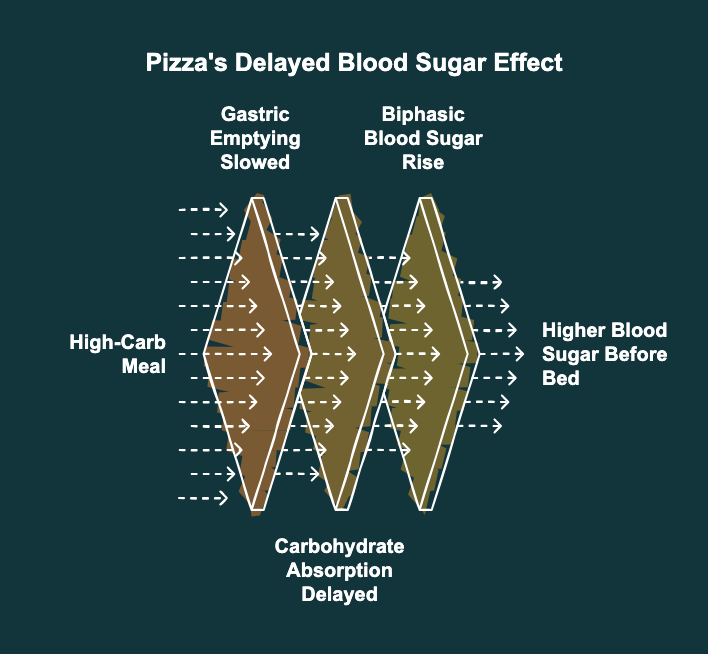
Most high-carb meals follow a fairly predictable pattern: blood sugar rises within 30 to 60 minutes, peaks around the one-to-two-hour mark, and then comes back down. Pizza doesn’t follow that script. The fat and protein in pizza slow gastric emptying, which delays how quickly carbohydrates are absorbed into your bloodstream. Instead of a quick, obvious spike, blood sugar may rise gradually over three to five hours after eating.
Diabetes educators often describe this as a biphasic pattern, and once you understand it, that late-night blood sugar number finally makes sense. There’s an early, modest rise from the refined carbs in the crust, followed by a later, sustained rise driven by fat slowing digestion. This explains the classic pizza experience: you check your blood sugar two hours after dinner, feel good about the number, and then find it significantly higher before bed. The meal isn’t done with you yet.
What a typical slice actually costs in carbs
A single slice of regular-crust cheese pizza carries roughly 30 to 36 grams of carbohydrates. A New York-style large slice can push 45 to 50 grams because the slices are simply bigger. Thick crust and deep-dish styles often exceed 40 grams per slice. Two slices of standard pizza can easily deliver 70 grams or more of carbohydrates before the fat-driven delay effect is even factored in (carb counts for a cheese pizza). That’s not a reason to avoid pizza, it’s the reason your portion and crust decisions carry real weight.
Can a Diabetic Eat Pizza? Crust Choices and Carb Count
Thin crust, cauliflower crust, and whole wheat compared
Thin crust is the easiest upgrade at any standard pizza restaurant. It typically delivers 15 to 22 grams of carbs per slice versus 30 to 36 for regular crust, cutting the carb load nearly in half without changing anything else about your order. Cauliflower crust goes further: roughly 8 to 14 grams of carbs per slice with a glycemic index estimated around 35 to 45, compared to the 60 to 65 range for thin-crust pizza (see the pizza glycemic index). If you’re making pizza at home, brands like Cali’flour Foods and Outer Aisle deliver as few as 1 to 4 grams of net carbs per slice.
Whole wheat crust is a meaningful step up from standard white flour because the higher fiber content moderates glucose absorption. The carb count per slice is similar to regular crust, but fiber slows how quickly those carbs enter your bloodstream. If cauliflower crust isn’t your preference, whole wheat is a solid middle-ground choice, especially at restaurants where options are limited.
Why gluten-free crust isn’t automatically the smarter pick
This one trips a lot of people up. Gluten-free does not mean low-carb or low-glycemic. Many gluten-free pizza crusts are made with rice flour or starch blends, and they can carry as many carbohydrates as regular crust, sometimes more, with a higher glycemic impact. The “gluten-free” label tells you nothing useful about blood sugar response unless you check the actual carb count and ingredient list. Almond-flour or cauliflower-based gluten-free crusts behave very differently from rice-based ones, so look for options with under 10 grams of net carbs per slice. The specific ingredients matter far more than the label.
Diabetic-Friendly Pizza Toppings: What Helps and What Complicates Things
Vegetables and lean protein as genuine allies
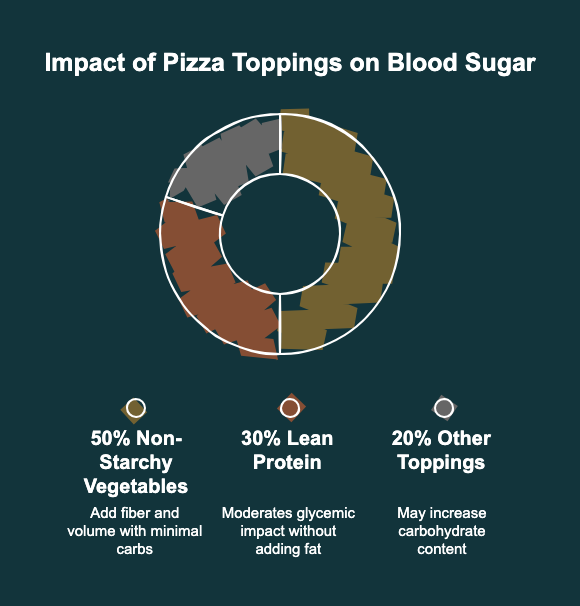
Non-starchy vegetables, including mushrooms, bell peppers, onions, spinach, zucchini, and artichokes, add fiber and volume with minimal digestible carbohydrates. Fiber slows carbohydrate absorption and helps moderate the overall glucose response, which makes a heavily topped vegetable pizza a genuinely different meal than a plain cheese pizza on the same crust. Lean proteins like grilled chicken also moderate the meal’s glycemic impact without significantly adding fat. Loading up on vegetables and lean protein is one of the simplest strategies for getting more pizza for less blood sugar impact.
What heavy cheeses and fatty meats do to your glucose timeline
Extra cheese and high-fat meats like pepperoni, sausage, and bacon don’t raise blood sugar directly the way carbohydrates do. The problem is that they compound the delayed gastric emptying effect that pizza already produces. A pepperoni-and-sausage pizza loaded with extra cheese may cause a blood sugar rise that stretches four to six hours after eating, long after a standard two-hour post-meal check would show anything concerning. These toppings aren’t off the menu, but they are the reason a pizza with heavy toppings warrants closer monitoring later in the evening.
Portion Size and Smart Pairing Tactics That Make a Real Difference
How many slices is a reasonable starting point
For most people with diabetes, one to two slices of regular-crust pizza fits within a typical carbohydrate target for a meal. Choosing thin crust or cauliflower crust can give you a bit more flexibility within the same carb budget. The goal isn’t to count every gram at the table; it’s to know the approximate carb load per slice before you sit down so you can make a decision that works with your plan rather than against it. A quick check of the restaurant’s nutrition page, or a general rule of thumb based on crust type, goes a long way.
Eating order and what to serve alongside pizza
Eating vegetables or protein before the carbohydrate-heavy item is one of the more consistent findings in blood sugar management research: it can reduce the overall glucose peak meaningfully. Start with a side salad before the pizza arrives, not alongside it. Pairing pizza with a fiber-rich side like roasted vegetables or a green salad also slows the overall rate of carbohydrate absorption. Skip the garlic bread and swap the soda for water or a zero-calorie drink. Sugary beverages add fast-digesting carbs on top of an already complex meal, and that combination works against everything else you’re doing right.
Adjusting Your Routine If You Take Insulin or Diabetes Medications
Extended bolus basics for insulin pump users
Pizza is one of those meals where the standard approach often falls short for pump users. A standard upfront bolus handles the early glucose rise reasonably well, but it leaves the later, fat-driven rise uncovered. A dual-wave or extended bolus addresses this by splitting the dose: a common starting point is roughly 60 percent delivered at the meal and 40 percent extended over two to three hours. The right split depends on the type of pizza, your portion size, and your individual insulin-to-carb ratio. This is worth discussing with your care team so you have a personalized starting point rather than guessing on pizza night. For practical guidance on how pizza can affect glucose and dosing considerations, see resources explaining how pizza can raise blood sugar.
What MDI users and non-insulin-dependent patients should track
For people using multiple daily injections, a small timing shift helps. Taking your usual mealtime dose 15 to 20 minutes before eating, then checking blood sugar at both the two-hour and four-to-five-hour marks, gives you a picture of your personal delay pattern. That information is genuinely useful: after two or three pizza meals, you’ll know whether your numbers tend to creep up later and by how much. For those managing diabetes with oral medications or lifestyle changes alone, the same monitoring strategy applies. Check earlier and later than usual, and let the pattern teach you more than any general guideline can. Some clinical research has documented mixed-meal and delayed glucose responses that support this kind of extended monitoring (relevant research).
Building a Sustainable Plan With Your Primary Care Doctor
Why a personalized approach matters more than a universal rule
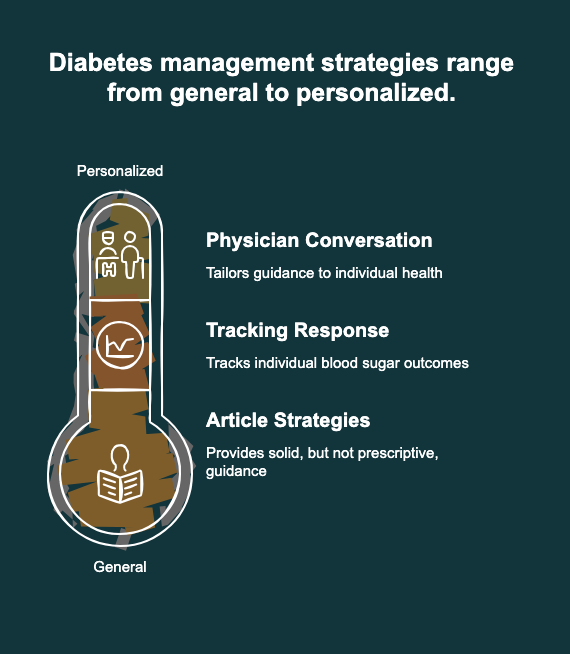
No two people with diabetes respond to pizza exactly the same way. Insulin sensitivity, medication type, activity level, and individual gastric emptying rates all shape the blood sugar outcome. The strategies in this article are solid starting points, not prescriptions. The most useful next step is tracking your own response across a few pizza meals and then bringing that data to a physician who knows your full health picture. That conversation turns general guidance into something that actually fits your life. For additional context on delayed post-meal spikes and why later monitoring matters, see reporting on carb and sugar spikes.
Getting that conversation without a specialist referral
For patients in rural Central Florida, including Highlands and Polk counties, getting time with an endocrinologist or registered dietitian isn’t always quick or convenient. The good news is that most of this guidance, including personalized carbohydrate targets, meal planning strategies, and medication timing adjustments, falls squarely within what a primary care physician handles every day. Shield Medical Group, with locations in Sebring and Lake Wales, works regularly with patients on exactly this kind of practical diabetes management. Same-day appointments are available, no specialist referral required, and no long wait before you get real answers.
Can Diabetics Eat Pizza? The Bottom Line on Pizza and Blood Sugar
Yes, people with diabetes can eat pizza. What changes is the level of intention you bring to the meal. Choose a thinner crust when you can and load up on diabetic-friendly pizza toppings like vegetables and lean protein. Watch your portion and pair with a fiber-rich side. Monitor your blood sugar later than you normally would. If you use insulin, talk to your doctor about an extended dosing approach for high-fat meals. And pay attention to your own pattern rather than assuming that what works for someone else will work for you.
Managing diabetes well doesn’t require perfect meals. It requires informed ones. Pizza is on the table, literally, for anyone willing to understand the mechanics and make a few smart choices. If you’re ready to build a plan that fits your actual eating life, bring this conversation to your primary care doctor. That’s where the real personalization happens, and it’s closer than you think.