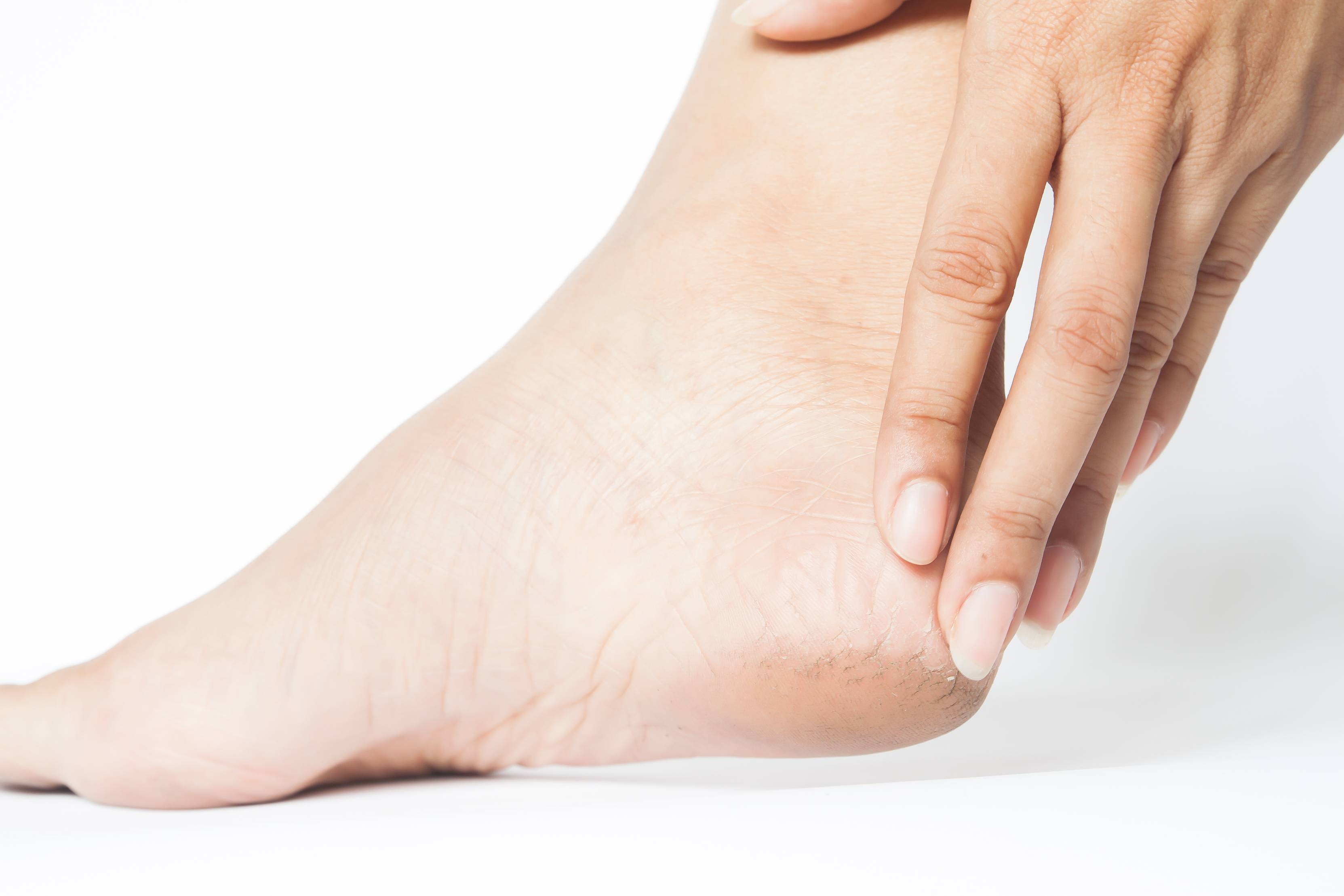
Swollen feet can be annoying, especially when your shoes start feeling too tight or you notice sock marks digging into your ankles by the end of the day. If you have diabetes, it’s hard not to wonder, “Is this something I should worry about?”
Well, sometimes it is, and sometimes it isn’t.
Swelling in your feet when you have diabetes might be caused by harmless things like sitting too long, eating salty foods, hot weather, gaining weight, or even wearing tight socks. But there’s more to it. Diabetes can affect your blood flow, nerves, kidneys, heart, and your body’s ability to heal. That’s why you shouldn’t just brush off swelling, especially if it’s new, painful, red, hot, only in one foot, or comes with a sore.
What Is Diabetic Edema?
Diabetic edema means you’re holding on to more fluid, leading to swelling—usually in your feet, ankles, lower legs, and sometimes your hands or face.
You might see or feel:
– Puffy feet or ankles
– Shoes that feel too tight
– Sock marks
– Shiny or stretched skin
– Heavy or stiff legs
– Foot pain or pressure
– Swelling getting worse throughout the day
– Skin that leaves a dent when you press it
That last one is called “pitting edema.” Doctors might check for it, but you don’t have to stress about remembering the term.
Are Swollen Feet a Sign of Diabetes?
Swollen feet alone don’t always mean you have diabetes. Plenty of things can cause swelling: standing or sitting all day, pregnancy, heat, salty snacks, body weight, vein or kidney issues, heart and liver problems, injuries, infections, and certain medications.
But if swelling shows up with things like being extra thirsty, needing to pee all the time, blurry vision, cuts that just won’t heal, strange numbness or tingling in your feet, constant tiredness, sudden changes in your weight, or infections that keep coming back, it’s smart to ask your doctor to check your blood sugar.
Can High Blood Sugar Cause Swollen Feet?
High blood sugar can play a role, but it’s rarely the only reason. Over time, high blood sugar damages small blood vessels and nerves. When that happens, your circulation worsens, and fluid starts to pool in your feet and ankles. But there’s no magic blood sugar level where your feet suddenly blow up—it depends on your health, your kidneys, your heart, your veins, your activity, and what medicines you take.
Common Causes of Diabetes Foot Swelling
1. Poor Circulation
Diabetes can damage your blood vessels so blood doesn’t flow well in your feet and legs. Fluid builds up. Sometimes your feet might feel cold, numb, or tingly. You might even get pain when you walk, or notice that little cuts and blisters seem to hang around forever.
2. Nerve Damage (Neuropathy)
When you lose feeling in your feet, it’s easy to miss a cut, blister, or some other injury. Those little things can get irritated or infected before you even know they’re there. Then you’re dealing with pain and swelling.
3. Kidney Problems
Your kidneys filter extra fluid and waste out of your body. If they’re not working well, you hold on to fluid—feet, ankles, hands, even your face can puff up. You might also gain weight fast, feel tired, notice foamy urine, or have high blood pressure. The more you know about diabetes and kidney health, the better you’ll get at catching these problems early and steering clear of bigger health issues down the road.
4. Heart Problems
If your heart doesn’t pump well, fluid backs up and collects in your legs, feet, or ankles. You may have shortness of breath, chest pressure, trouble lying flat, or wake up at night gasping for air. If swelling comes with trouble breathing or chest pain, get help—don’t wait it out.
5. Vein Problems
Weak leg veins mean blood pools in your lower legs—called venous insufficiency. All that can leave your legs feeling heavy, tired, or puffy. You might see new varicose veins, or darker patches of skin around your ankles. Long hours standing or sitting, carrying extra weight, or a history with blood clots can make everything worse.
6. Infection
if you have diabetes, cuts and blisters don’t heal as fast as they should. If they get infected, your foot may look red, feel warm, swell up, hurt, ooze pus, or smell bad. Fever or chills are also warning signs. A red, hot, swollen diabetic foot should get checked ASAP.
7. Charcot Foot
This is a serious problem in diabetes, where bones in your foot get weak and shift. It can swell, get red or warm, and might not hurt much—even when the damage is serious. If you notice one foot suddenly looking or feeling different, don’t ignore it.
8. Medicines
Some diabetes, blood pressure, pain, and hormone medicines can trigger swelling. Metformin usually doesn’t, but if you swell after starting any medication, talk to your doctor. Insulin can also sometimes cause extra fluid—called insulin edema—especially after starting or increasing doses.
9. Obesity & Pressure
Extra weight puts a lot more stress on your legs and veins. That, combined with tight socks, can create deep marks and make swelling worse. Small changes like moving around, reducing salt, and keeping blood sugar under control really do help over time.
10. Pregnancy & Gestational Diabetes
Pregnancy and gestational diabetes both raise your risk for swelling, and if it comes with a headache, vision changes, chest pain, trouble breathing, or hits your face or hands, call your doctor right away.
Does Prediabetes Cause Swelling?
Prediabetes itself doesn’t usually cause swelling, but some people with it have other risk factors—like weight gain, high blood pressure, poor circulation, and less activity—that do. It’s not always blood sugar’s fault, so it’s smart to check for other causes.
What Does Diabetes Foot Swelling Feel Like?
This varies from person to person. You may notice tightness, heaviness, tingling, burning, stiff ankles, pressure, pain when walking, skin stretching, or shoes suddenly feeling tiny. Swelling in your big toe can be gout or infection—always check with your doctor, especially if you have diabetes.
When Is Swelling an Emergency?
Don’t wait—call your doctor or go to the ER if you have diabetes and:
– One foot, ankle, or leg swells suddenly
– The swollen area looks red, feels hot, or is super painful
– You have a wound, blister, ulcer, or pus
– You’re running a fever or feeling chills
– Your foot changes color (blue, black, pale)
– You have chest pain or shortness of breath
– Your face or belly is also swelling
– Swelling started after new medicine
– You can’t walk normally
– One foot is warm and swollen but not especially painful
Sudden or one-sided swelling can mean a blood clot or an infection—both need quick medical care.
How to Reduce Swelling in Diabetic Feet
For mild swelling, try these at home—but if it’s sudden or severe, get checked by your doctor first.
1. Elevate Your Feet
Kick back and prop your feet above heart level for 15–20 minutes a few times a day. Pillows on the couch work. Rest is good for you—no guilt required.
2. Move Around
Don’t stay stuck in one position too long. Get up every hour, walk around, do ankle circles, flex your feet, or march in place. It keeps your blood and fluids moving.
3. Lower Your Salt
Salty foods make you retain water. Pass on chips, canned soups, fast food, deli meats, and salty snacks. Try flavoring with fresh herbs, lemon, or garlic.
4. Stay Hydrated
Drink enough water—crazy as it sounds, dehydration can make your body hang on to fluid. But if you have kidney or heart issues, always follow your doctor’s advice about fluids.
5. Wear Good Shoes
Tight shoes make swelling worse and can cause sores. Look for wide, soft, supportive shoes—nothing that rubs. And inside the house, diabetic-friendly slippers (with support and zero open-toed styles) can help. Skip bare feet.
6. Ask About Compression Socks
Some people benefit from compression socks, but tight ones can mess up circulation, especially in diabetes. Always ask your doctor what’s right for you before buying any.
7. Check Your Feet Every Day
Make foot checks your daily habit—look for changes in color, cuts, blisters, swelling, cracks, nail problems, or weird smells. Use a mirror or ask for help. Missing something small can turn into a big problem fast.
8. Keep Blood Sugar Steady
Good sugar control protects your blood vessels, nerves, and kidneys. Take your meds, eat balanced meals, check your sugars, walk a bit after eating, manage stress, sleep well—little stuff really adds up.
9. Don’t Soak Feet in Hot Water
Soaking sounds relaxing, but it’s risky—if you have nerve damage, you might not notice a burn. Plus, it dries your skin out and raises infection risk. If you do soak, make it short, use only warm water, and never on open wounds.
10. Review Meds With Your Physician
Notice swelling after a medication change? Don’t just stop it—tell your physician. Also mention supplements, over-the-counter meds, and everything else you’re taking.

Home Remedies (and What Not to Try)
Safe home remedies are simple: elevate your feet, gently walk, do ankle exercises, keep hydrated, wear good shoes, avoid tight socks, moisturize your skin, and check your feet every day.
Don’t risk home remedies like hot water soaks, cutting corns/calluses yourself, sharp tools, harsh chemicals, or massaging hot, one-sided swelling. Definitely don’t ignore wounds.
And about those online claims—artificial sweeteners aren’t a usual cause of swelling. If you notice swelling right after a certain food, jot it down and tell your doctor.
Can Diabetes Cause Swelling in Legs and Feet?
Definitely. Diabetes can cause or worsen swelling for lots of reasons—poor circulation, nerve and kidney issues, heart problems, infections, medication, water retention. But not all swelling is “just diabetes,” so watch for warning signs.
Can High Blood Sugar Cause Face Swelling?
Not directly. Usually, swelling in your face or around your eyes with diabetes means kidney trouble, or it could be an allergy, infection, thyroid issue, or medication side effect. If your face swells up with breathing trouble or a rash, head to the ER.
Swelling After Insulin Injection?
Sometimes, the injection site gets puffy from irritation, technique, or overusing one spot. Try to rotate injection spots, use the right needle, and keep things clean. If you see redness, heat, pain, or pus, get it checked.
How Will a Doctor Check My Swelling?
They’ll ask when it started, if it’s one foot or both, whether you have pain, redness, wounds, shortness of breath, new meds, or high sugars. They’ll check blood pressure, foot pulses, skin temp, nerves, kidneys, urine, heart, veins, signs of infection, and maybe order an X-ray if there’s a serious concern.
Preventing Diabetic Foot Problems
Here’s how to give your feet the care they deserve:
- Keep blood sugar steady by following good diabetes self-management habits
- Check feet daily
- Wash and dry feet, then moisturize (not between toes)
- Wear clean, well-fitting socks and shoes
- Don’t go barefoot
- Trim nails carefully
- See a podiatrist if you need help
- Move more
- Keep salt low
- Manage blood pressure and cholesterol
- Get regular diabetes checkups
Small steps today beat big problems tomorrow.
Final Thoughts
Swelling in your feet isn’t always something to panic about—but you shouldn’t ignore it either. With diabetes, mild swelling in both feet might be “just” fluid from sitting too long or salty food. But one foot swelling up, severe pain, redness, heat, wounds, shortness of breath, or chest pain all mean you need help fast.
Your feet do a lot for you. Take care of them, and don’t be shy about getting help when something doesn’t look or feel right. With a little daily attention, you can avoid a lot of trouble.