
Understanding Medicare GLP-1 program eligibility is the first step for seniors hoping to access affordable weight-loss medications this year. The new Medicare program covering GLP-1 weight-loss medications, Wegovy and Zepbound, has sparked significant interest and confusion among seniors. Scheduled to launch on July 1, this initiative aims to offer these medications for a $50 monthly co-payment. However, navigating the intricacies of this program involves understanding who truly qualifies and the specific requirements for eligibility.
Understanding the Medicare GLP-1 Bridge Program
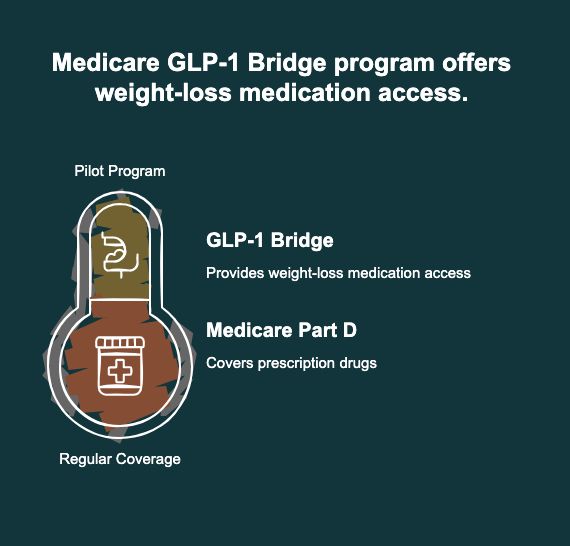
The Medicare GLP-1 Bridge program is a pilot initiative separate from regular prescription coverage. Administered CMS with Humana as the executor, the program is not related to your traditional Medicare Part D plans. It provides an opportunity for individuals to access weight-loss medications outside of typical prescription coverage, focusing on reducing complications such as heart attacks, strokes, and osteoporosis. The pilot program spans 18 months, from July 1, 2026, to December 31, 2027.
Who Qualifies for the Medicare GLP-1 Program?
Eligibility for this program hinges primarily on Body Mass Index (BMI) and associated medical conditions:
1. BMI Over 35
No additional questions; automatic eligibility for the program.
2. BMI Between 30 and 35
Requires associated conditions such as uncontrolled hypertension or advanced stage chronic kidney disease.
3. BMI Over 27
Eligibility if accompanied by conditions like pre-diabetes, previous heart attacks, strokes, or symptomatic peripheral artery disease.
It’s crucial to note that individuals with diabetes are not eligible for the Bridge program, as diabetes-related treatments should already be covered by existing health plans.
Medication and Program Details
Participation demands continuous evaluation and involvement from both patients and healthcare providers:
– Prescriptions: Your physician must send prescriptions with the correct codes indicating eligibility.
– Payments: Patients will pay a $50 co-payment monthly, with government covering the remaining costs.
– Medication: Both the pill and injection forms of Wegovy and Zepbound will be covered. However, distribution will ensure individual dosage integrity to prevent misuse.
Program Operations and Oversight
Due to financial limitations, the program requires stringent management. It’s estimated that managing this program for those who qualify could exceed $160 billion annually, while current funding stands at approximately $6 billion. Thus, only those strictly meeting the eligibility criteria can participate.
Preparing for the Program
Patients should take the following steps beginning July 1:
1. Verify BMI: Ensure your BMI meets one of the eligibility categories.
2. Consult Your Physician: Document eligibility and ensure all requisite codes are used in the authorization process.
3. Behavioral Changes: Emphasize lifestyle adjustments including high-protein diets and regular exercise to enhance the medication’s effectiveness.
Moving Forward
While the pilot program offers a compelling opportunity, maintaining health improvements post-program remains a personal responsibility. This means adopting and sticking to significant lifestyle changes. While Congress considers broader implementations in response to this pilot’s results, individuals are encouraged to take charge of their health through disciplined habits and check-ins with medical practitioners.
By sharing experiences and outcomes, we can collectively shape a healthier future. For more information on how to navigate this program and understand the role of medications like GLP-1, stay connected with our resources and updates.
Frequently Asked Questions About Medicare GLP-1 Program Eligibility
Is this GLP-1 program the same as my Part D drug coverage? No. The Medicare GLP-1 bridge program is a separate pilot run by CMS with Humana, outside your standard Part D plan, and it has its own eligibility rules and $50 monthly co-payment.
Can people with diabetes qualify for this program? No. People with a diabetes diagnosis are excluded, because their GLP-1 medications should already be addressed under existing treatment guidelines and coverage.
What should I bring to my doctor to confirm Medicare GLP-1 program eligibility? Bring your current weight, height, a list of medical conditions such as high blood pressure or heart disease, and recent lab results so your physician can verify your BMI and qualifying risk factors.