
The 3 month rule for diabetes is a simple schedule your doctor uses to review your treatment and decide on diabetes medication adjustment. Knowing when to change diabetes medication helps keep your blood sugar in a safe range. This guide explains what the 3 month rule for diabetes is, why it matters, and how it fits into your full diabetes care plan.

Key Highlights
-
- The “3-month rule” means you should check and change your diabetes medication every three months to help keep your blood glucose and glycemic control in a good place.
-
- A checkup every three months works because this is how long it takes for your HbA1c levels to show changes in your blood glucose.
-
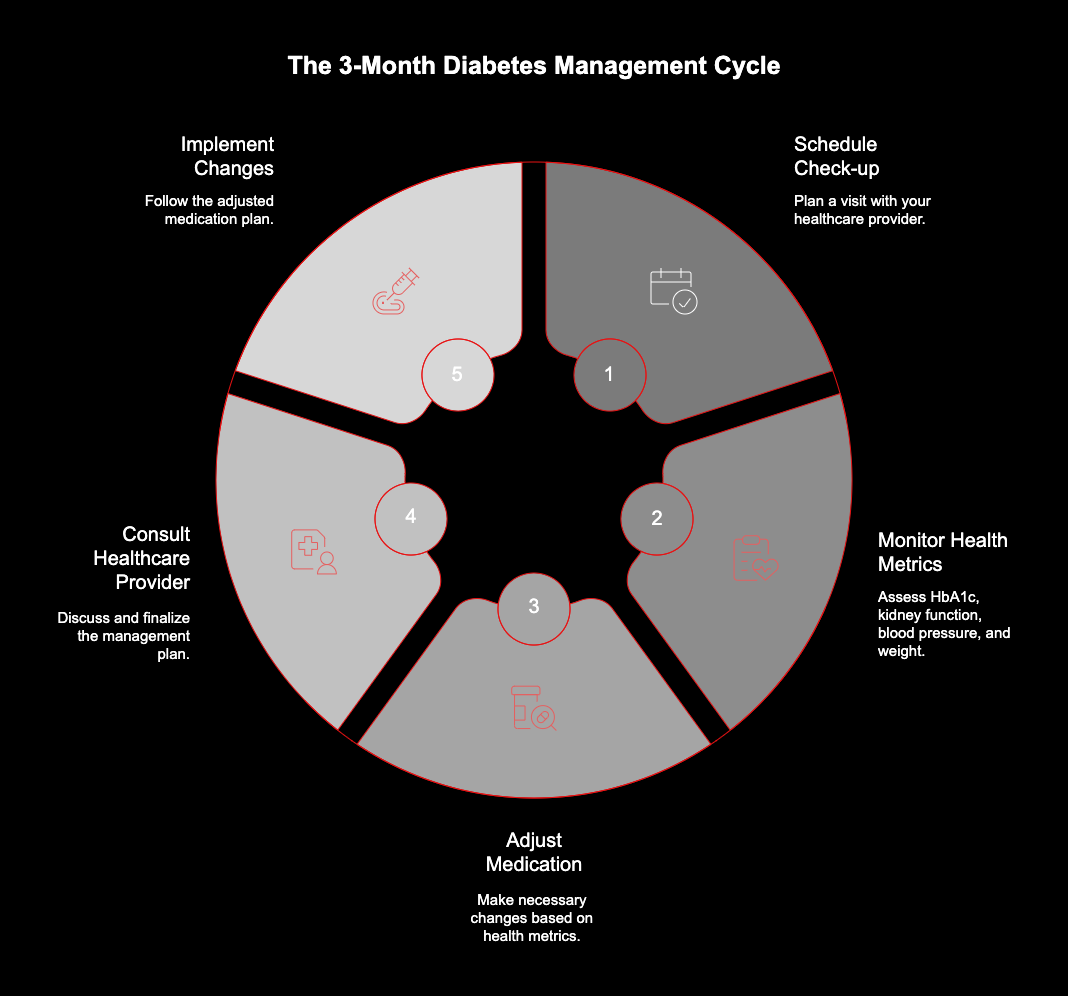
- Good diabetes management means you should watch your HbA1c, kidney function, blood pressure, and weight.
-
- If you wait too long to make changes, it can cause poor health and raise your risk of cardiovascular disease.
-
- The rule is helpful, but not for everyone. Some people, like those starting insulin therapy, need to check and change even more often.
- It is important to talk openly with your healthcare provider. This helps you make a plan for diabetes management that fits you best.
What Is the 3 Month Rule for Diabetes?
Living with diabetes mellitus means you need to take part in your own health and care every day. A big part of this is making sure your treatment plan works well for you. A good diabetes care plan often uses medicine. These medicines may need changes as time goes by, so your blood glucose can stay at a safe level. You may hear your doctor talk about a “3 month rule for diabetes” for your check-ups. This text will tell you what this rule is, why it matters, and how it is part of your full diabetes management plan.
Overview of Diabetes Medication Adjustment Every Three Months
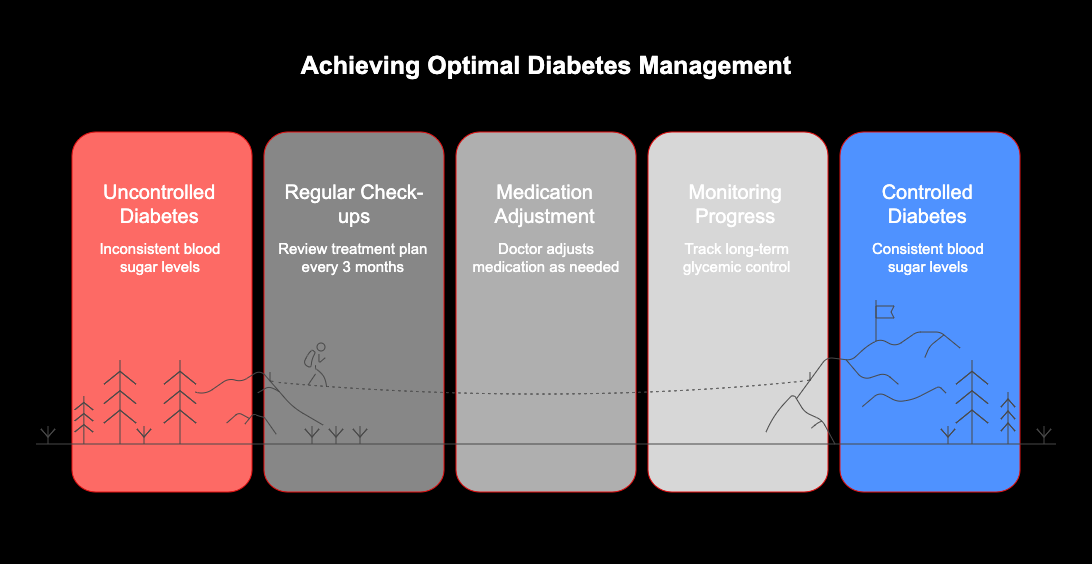
The 3-month rule in diabetes management means you should check your treatment plan every three months. This helps your doctor see how a diabetes medication adjustment is working over time. The review lets the doctor know if your long-term glycemic control is getting better or not.
Major health groups, like the American Diabetes Association, use this time frame in their advice. This helps to stop any setbacks in treatment and keeps your plan working well. You can read more at the CDC diabetes resource. The reason this rule is found in so many clinical practice settings is because it gives a clear way to help you manage things.
Preventing Adverse Events through Scheduled Assessments
Scheduled assessments help look at how well your treatment is working with your doctor. They do more than just that. Assessments are a key safety step. Every medicine, after all, has some possible side effects. A regular review helps you and your doctor catch these side effects early. This stops any big problems before they happen.
Other than just low blood sugar, checking in often can help find and handle more possible issues. These visits give us a chance to:
-
- Watch out for weight gain that comes with some therapies.
-
- Check your risk for heart problems like cardiovascular events.
-
- Talk with your doctor about any other side effects that bother you.
- Make sure your treatment plan works well and is safe.
Standard Tests Used During Three-Month Diabetes Reviews
When you go in for your three-month diabetes review, your doctor will do a few tests to see how you are doing. The tests do more than just show your blood glucose right now. They help the doctor look at your overall health in the long run. These tests may also help find any problems early.
Key checks are important for your health. A big one is the HbA1c test. This test gives your average blood sugar for the last few months. A doctor will also look at your renal function. The next parts will talk more about why these tests matter and how they help you.
Role of HbA1c and Blood Glucose Monitoring
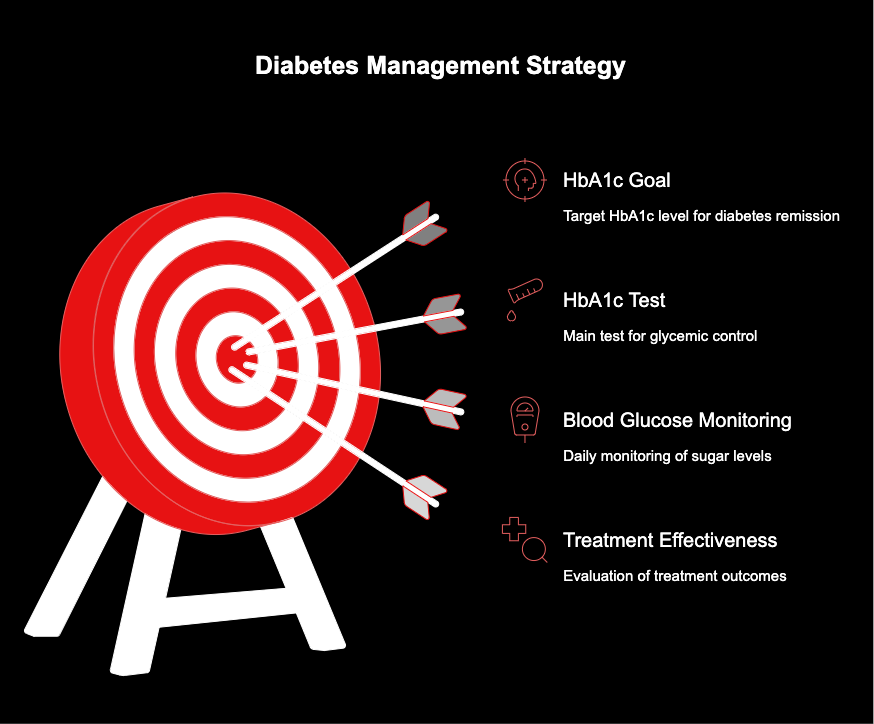
The HbA1c test is the main part of your three-month checkup. It gives you the most clear view of how your glycemic control has been over the past two to three months. A result under 6.5% is the usual goal to show diabetes remission. This makes it a key number when we look at how well your treatment is working.
Weight, Blood Pressure, and Cardiovascular Risk Evaluations
Managing diabetes is not only about keeping your blood sugar under control. It is also important for you to take care of your heart. People who have diabetes are more likely to get cardiovascular disease. This is why, at a three-month checkup, your doctor will look at your heart health. The doctor will check your blood pressure and talk with you about your cholesterol levels.
When to Change Diabetes Medication: Types Covered by the Rule
Knowing when to change diabetes medication is a helpful tip to keep in mind if you use diabetes medication. You should pay attention to it more when you first start or when you change the way you use your medicine. This can be true for both oral medications and injections.
The 3-month rule is used a lot for oral antihyperglycemic agents. These are often the first type of doctor-approved drugs for treating type 2 diabetes mellitus. When you start taking a medicine like metformin, your doctor will often ask you to come back after about three months. For related reading, see our guide to primary care basics.
Insulin and Injectable Therapies
The 3-month rule is not just for pills. It is for insulin therapy and other injections like GLP-1 receptor agonists, too. If you start on insulin therapy, your doctor may tell you to use a basal, or long-acting, dose first. After about three months, you will go back for a checkup. At this visit, your doctor will see how the initiation of insulin has affected your A1c level.
Elderly Adults and Those with Co-morbidities
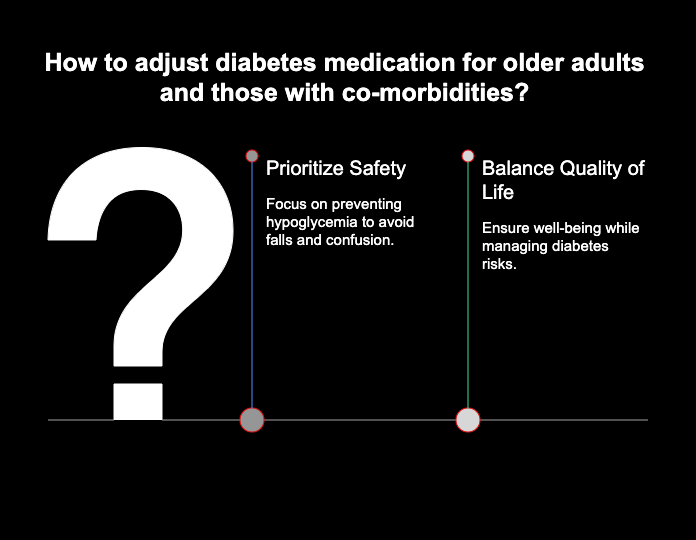
For older adults and people who have more than one health problem, the way doctors handle diabetes medication adjustment can be different. The main goal changes to keeping them safe and helping them live well, instead of focusing only on tight glycemic control. Trying to treat strongly in these people can raise the risk of hypoglycemia.
Side Effects and Medication Tolerance Issues
How you feel after taking your medicine matters as much as how it affects your blood sugar. If you notice new side effects or things that bother you, it is a real reason to talk with your doctor sooner. You do not have to wait for your next appointment or try to handle side effects on your own.
Lifestyle Changes Affecting Diabetes Control
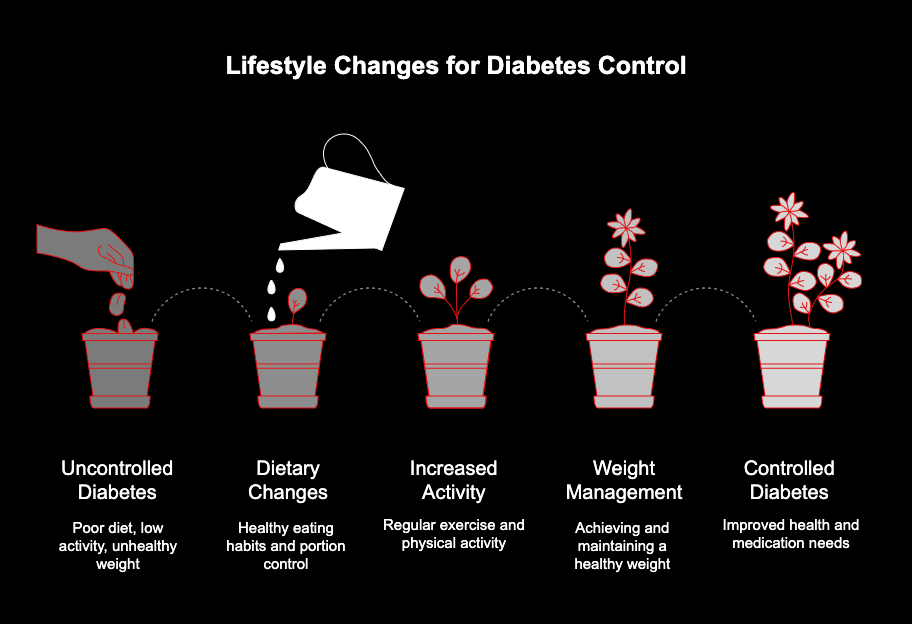
Big lifestyle changes can really help you control diabetes. If you make the changes, you might need your medicine changed before three months go by. What you eat, how much you move, and your weight all connect to the amount of medicine you need. If any of these change, you may have to change your treatment plan too.
Role of Healthcare Professionals in Medication Monitoring
Your healthcare professionals work with you in diabetes management. They do much more than give you medicine or write a prescription. The team will watch how you are doing, teach you about diabetes, and help you to understand your choices. They will be there to guide you so you feel confident to look after yourself.
Conclusion
To sum up, it’s important to know about the 3 month rule for diabetes medication changes if you want good diabetes management. Checking in often and making changes on time can help you keep your blood sugar in check. This can also help you avoid problems that happen when your treatment does not change as it should. Try to notice any signs that show you may need a change in your diabetes medication. Acting early can help you feel better and have a good quality of life. If you feel ready to take care of your diabetes management, book a talk with us today.
Frequently Asked Questions
Does the three-month rule help prevent hypoglycemia and other complications?
Yes, it is good to have a review every three months. These reviews give your doctor time to check your blood glucose levels and see how your glycemic control is doing. If needed, your doctor can change your diabetes medication. This can help lower your risk of hypoglycemia.
Are there situations when adjustment is needed before three months?
Yes, you should call your doctor sooner if you often have low blood glucose, get side effects that bother you, or make big lifestyle changes. When you begin insulin therapy, you may need more frequent changes to your dose to find what works best for you.
What information should I bring to my three-month diabetes review?
When you go for your review, bring your blood glucose log. You can bring a notebook or use data from your continuous glucose monitoring device. Also, make a list of your diabetes medication. Be ready to talk about your recent glucose levels and let them know about any symptoms you feel.

