Waking up with a swollen, painful knee can really catch you off guard—especially if you don’t remember getting injured. Most people start worrying about arthritis, ligament trouble, or just plain old aging joints. But there’s another culprit that often gets overlooked: gout. And yes, it doesn’t just go after your big toe. Gout can settle right into your knee, turning it red, swollen, and so sore you barely want to move.
So, what’s going on? Gout in the knee is basically uric acid crystals piling up inside your joint and sparking inflammation. That means your knee can get hot, stiff, and seriously painful, sometimes out of nowhere.
Luckily, this isn’t a hopeless situation. With the right diagnosis, medication, a few lifestyle tweaks, and some smart prevention, most people can keep gout attacks at bay and protect their knees from long-lasting damage.
Here’s what you need to know—what causes gout in the knee, what it feels like, how doctors figure it out, how long it sticks around, treatment, home care, and tips to avoid it coming back.
What Exactly Is Gout in the Knee?
Gout in knee is a form of inflammatory arthritis caused when uric acid crystals collect inside the joint. Normally, when your body breaks down purines, it makes uric acid—which the kidneys are supposed to clear out. But sometimes you end up with too much, or your kidneys just can’t keep up, and uric acid starts building up in your blood.
You wait long enough with high uric acid and those sharp, jagged crystals start settling in your joints. Your immune system freaks out and launches a full-on inflammation attack—which is where the pain, swelling, and stiffness come from.
People usually expect gout in their toe, but it’s not picky—it can show up in your knees, ankles, feet, wrists, fingers, and even elbows. The knee is fair game because it’s got just the right fluid environment for crystals to gather and cause trouble.
Can Gout Really Strike Your Knee?
Absolutely. Most folks get their first taste of gout in the big toe, but knees are prime targets too. Those uric acid crystals can build up inside the main joint, around the kneecap, along the sides, or even in the soft tissues and tendons nearby.
When the crystals irritate everything, your knee gets inflamed—pain and swelling usually come on fast. Unlike regular knee pain that creeps up, gout delivers that knockout punch in hours.
What Triggers Gout in the Knee?
It comes down to uric acid crystals forming inside your knee joint—but a bunch of factors can set you up for it.
1) High Uric Acid Levels
If your uric acid is high (that’s hyperuricemia), you’re at risk. Crystals form when levels get too concentrated. But not everyone with high uric acid gets gout—some folks never show symptoms unless the crystals actually cause inflammation.
2) Food and Diet
Some foods have stacks of purines, which your body turns into uric acid. These offenders include red meat, organ meats, shellfish, fatty seafood, beer, and sugary soft drinks. Eating one steak isn’t going to bring on gout—usually it’s years of high uric acid and other risk factors adding up.
3) Kidney Function
Your kidneys are supposed to filter out excess uric acid. If they’re slacking off or you’ve got kidney troubles, uric acid builds up and crystals form.
4) Genetics
Family history matters. If gout runs in your family, your odds go up.
5) Other Health Conditions
Obesity, high blood pressure, diabetes, metabolic syndrome, heart disease, and kidney disease can all mess with how your body handles uric acid.
Gout in the Knee: Symptoms
Gout knee pain is no joke, and it tends to hit hard and fast—sometimes overnight.
1) Major Knee Pain
We’re talking agony—enough to make walking, standing, climbing stairs, bending your knee, or even sleeping a major ordeal. Just brushing against your knee can hurt.
2) Swelling
Expect to see your knee balloon up. The skin gets tight, movement stiffens, and the joint swells from extra fluid thanks to inflammation.
3) Redness and Heat
Your knee turns red and hotter than the surrounding skin. That’s your immune system bringing more blood to the fight.
4) Limited Motion
Swelling and pain can make fully bending or straightening your knee almost impossible.
5) Nighttime Attacks
Gout tends to sneak up at night or early morning—you go to bed feeling fine, wake up feeling miserable.
Gout vs. Other Knee Issues
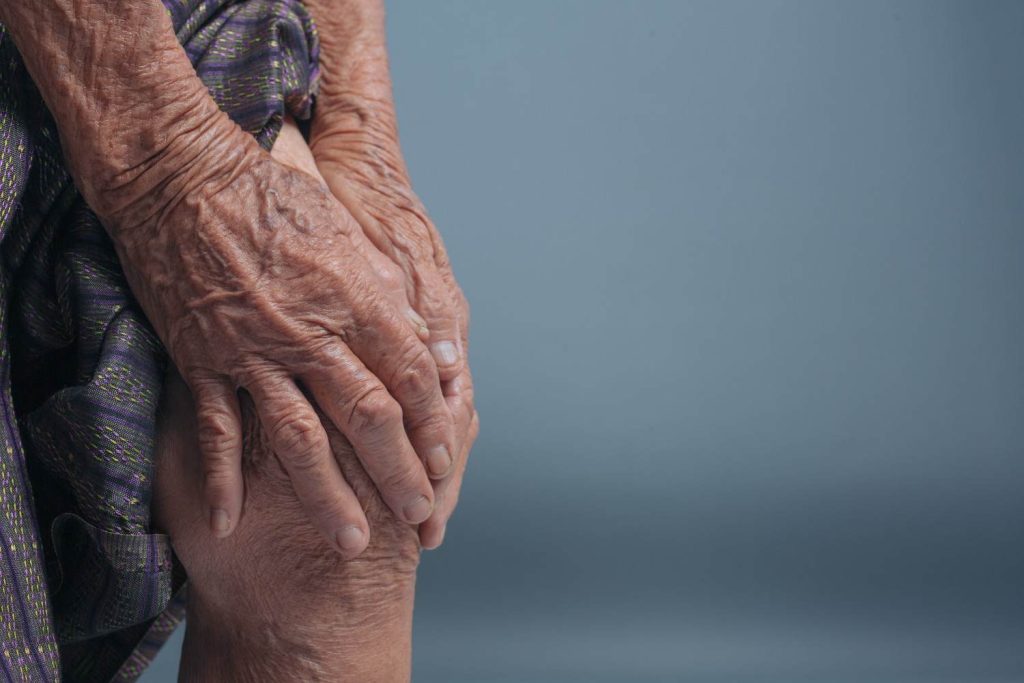
Not all nasty knee pain is gout. You might be dealing with osteoarthritis, rheumatoid arthritis, injuries, bursitis, tendon problems, infection, or pseudogout. Some people may also experience other symptoms like knee numbness or unusual sensations, which can have different causes and may require medical evaluation. But gout brings its own flavor—a sudden smack of pain, fast swelling, redness, warmth, all tied to those uric acid crystals. Doctors usually need some tests to confirm it’s gout.
How Do Doctors Diagnose Gout in the Knee?
They’ve got a few strategies.
1) Joint Fluid Test
This is the gold standard. They draw a bit of fluid from your swollen knee and look under a microscope for uric acid crystals. If they find them, it’s gout. This also helps rule out infection.
2) Blood Test
Measuring your blood’s uric acid helps, but isn’t the final word. Some people have normal levels during a flare-up, or high levels without symptoms. Docs use test results plus your symptoms, medical history, and exam.
3) Imaging
They might use ultrasound, dual-energy CT scans, or X-rays. An X-ray can show joint damage or crystal deposits if gout has been around a while—but early attacks don’t always show up.
How Long Does Gout in the Knee Last?
Usually, if you don’t treat it, a single gout attack lasts about 3 to 10 days—sometimes stretches to two weeks or more. The worst pain is within the first couple days, then things slowly get better. But without proper treatment, attacks can keep coming. They might stick around longer, show up in other joints, or eventually start damaging things permanently.
Don’t just live with repeated attacks.
Treating Gout in the Knee
There are two big goals: stop the pain and inflammation, and prevent more gout attacks.
1) Medicines for a Flare-Up
Doctors often suggest NSAIDs, colchicine, or corticosteroids. What’s best depends on your health, kidney function, and any other medical issues.
2) Rest and Ice
Don’t put weight on your knee if the pain is bad. Cut back on activity, wrap an ice pack in a towel and rest it on your knee, and keep your leg raised. All these can help with pain and swelling.
3) Long-Term Medication
If you keep getting gout, you’ll probably need meds to keep uric acid down.
4) Allopurinol
This drug lowers uric acid production and is commonly used for long-term management.
5) Febuxostat
Works in a similar way and can be recommended.
6) Colchicine
Used both during flares and sometimes to prevent them when starting new treatment.
Always stick to your doctor’s advice—don’t try to manage this on your own.
Taking Care of Gout in the Knee at Home
Home care won’t dissolve those crystals right away, but you can support your treatment with healthy habits:
1) Drink More Water
Good hydration keeps your kidneys working and helps get rid of waste.
2) Maintain a Healthy Weight
Extra weight raises uric acid and strains joints.
3) Eat Wisely
Fill your diet with vegetables, whole grains, low-fat dairy, fruits, and lean proteins.
4) Watch Out for Alcohol and Sugar
Avoid booze and sugary drinks—they increase gout risk.
Preventing More Gout
Consistency matters. Keep an eye on your uric acid, eat right, limit purine-heavy foods, drink plenty of water, exercise regularly, and take meds as prescribed. On days without flare-ups, try walking, swimming, or cycling—they’re easy on the knees.
FAQs About Gout in the Knee
Q. Can you get gout in your knee?
Yep. Uric acid crystals can pile up and make your knee ache, swell, and get inflamed.
Q. What are the first signs?
Sudden pain, swelling, heat, redness, stiffness, and trouble moving your knee.
Q. Does uric acid cause joint pain?
Definitely, when it forms crystals that kick off inflammation.
Q. Can gout permanently damage the knee?
Yes—if attacks keep happening and go untreated, the joint can suffer for the long haul.
Q. Is gout the same as arthritis?
Gout is a type of inflammatory arthritis, but not the same as osteoarthritis (the “wear-and-tear” kind).
Final Thoughts
Gout in the knee hurts like hell, but it doesn’t have to wreck your life. Spot the symptoms early, get checked, follow your treatment plan, and stick with healthy habits. That’s the best way to keep attacks from coming back and protect your knee for the future.
If your knee suddenly swells up and hurts, don’t brush it off—get help. Early treatment is your best shot at keeping gout under control and staying on your feet.