
By Kulmeet Kundlas MD, Board-Certified Internal Medicine — Shield Medical Group, Sebring and Lake Wales, Florida
If you have stubborn high cholesterol that will not come down with a statin, you have probably heard about the two powerful shots called Repatha and Praluent. They work well. But they are shots. You give yourself an injection every two weeks or every month, and many patients simply stop. In July 2026, the FDA approved Lipfendra — the first PCSK9 medicine you can take as a pill, once a day. This is a big shift for how we treat high cholesterol in the United States, and it is worth understanding before your next lipid panel.
Watch Dr. Kundlas explain Lipfendra and the new oral PCSK9 pill in this comprehensive video guide.
Disclaimer: This content is for educational purposes only and is not a substitute for personalized medical advice. Always consult your own healthcare provider for diagnosis and treatment.
What Is Lipfendra and How Does It Lower LDL Cholesterol?
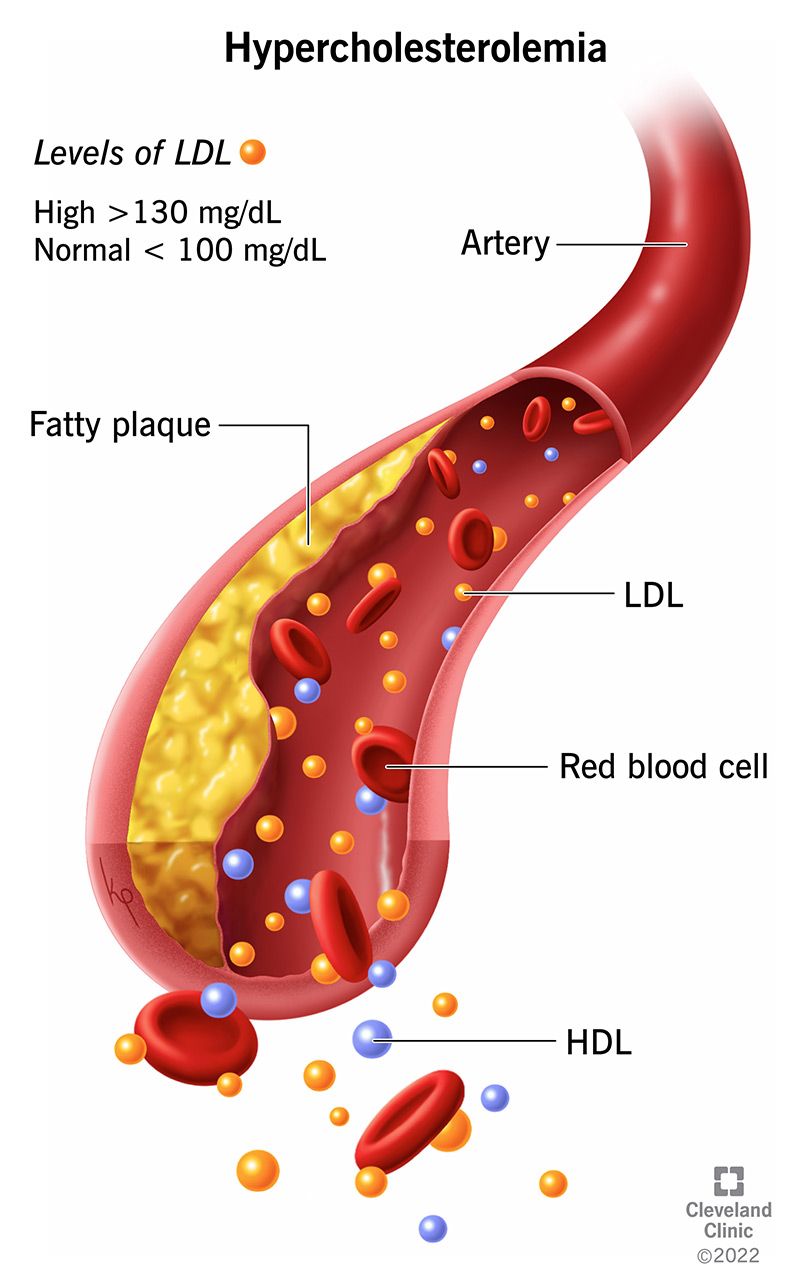
Lipfendra (enlicitide) is a 20 mg tablet you take once a day by mouth. It belongs to a class of medicines called PCSK9 inhibitors. PCSK9 is a protein in your blood that destroys the receptors your liver uses to pull LDL cholesterol out of circulation. When you block PCSK9, your liver clears more LDL, and your LDL numbers drop — a lot.
Until now, every PCSK9 inhibitor was a shot. Repatha and Praluent are large protein antibodies. Antibodies cannot survive your stomach acid, so they have to be injected under the skin. Lipfendra is different. It is a macrocyclic peptide — a small, ring-shaped molecule that is stable enough to be swallowed and absorbed. That single design change is what makes daily oral dosing possible for the first time in this class (FDA).
For context on why LDL matters so much for your heart, see our related guide on demystifying LDL cholesterol and our post on why ApoB particles matter for heart health.
Lipfendra vs Repatha vs Praluent: How the Numbers Compare
The most important question is simple: does the pill work as well as the shots? Based on the phase 3 CORALreef Lipids and CORALreef HeFH trials, the answer is essentially yes.
Placebo-adjusted LDL reduction at 24 weeks:
- Lipfendra (oral): LDL down about 56 percent in hypercholesterolemia and 59 percent in heterozygous familial hypercholesterolemia (HeFH) (American College of Cardiology).
- Repatha (injection): LDL down about 54 to 77 percent depending on the trial and population (Amgen).
- Praluent (injection): LDL down about 45 to 62 percent depending on dose (ODYSSEY program).
In plain English: the pill lands right in the middle of the injectable range. Lipfendra also cut ApoB by about 50 percent, non-HDL cholesterol by 53 percent, and lipoprotein(a) by 28 percent — a lipid profile very similar to the shots.
Dosing and route:
- Lipfendra: 20 mg tablet, once daily by mouth.
- Repatha: 140 mg injection every 2 weeks, or 420 mg injection once a month (three shots back to back).
- Praluent: 75 mg or 150 mg injection every 2 weeks, or 300 mg every 4 weeks.
If you have already read our post on why diabetics need statins, you know we lean hard on statins as the foundation. PCSK9 medicines, including Lipfendra, are almost always added on top of a maximally tolerated statin, not instead of one.
Why Doctors Hope the Oral Pill Fixes an Adherence Problem
The biggest weakness of PCSK9 shots has never been how well they work. It has been whether patients keep taking them. Real-world claims data show that about 24 percent of patients on a PCSK9 injection are off the medicine by 6 months, and roughly 36 percent are off by one year (Advances in Therapy). In one real-world study, one third of patients had inadequate adherence, and high cost was the leading reason people quit (Sage Journals).
The barriers patients report over and over in my clinic look like this:
- Fear of needles — the single biggest reason patients decline PCSK9 therapy in the first place.
- Cold-chain storage — the pens have to stay refrigerated.
- Injection site reactions — redness, itching, and bruising after each dose.
- Prior authorization delays — historically, this drug class has one of the highest pharmacy abandonment rates in medicine.
- Cost and copay shock — Medicare patients used to pay hundreds of dollars a month at the pharmacy counter.
An editorial published alongside the CORALreef Lipids trial called the arrival of an oral PCSK9 inhibitor “an important step forward to facilitate greater medication adherence and more effective long-term LDL-C lowering” (ACC editorial). A daily pill trades a needle problem for a pill-burden problem. That is a trade most patients are happy to make — but only if you actually take it every day.
What Does Lipfendra Cost Compared to the Shots?
This is where the picture gets more interesting than the headlines suggest.
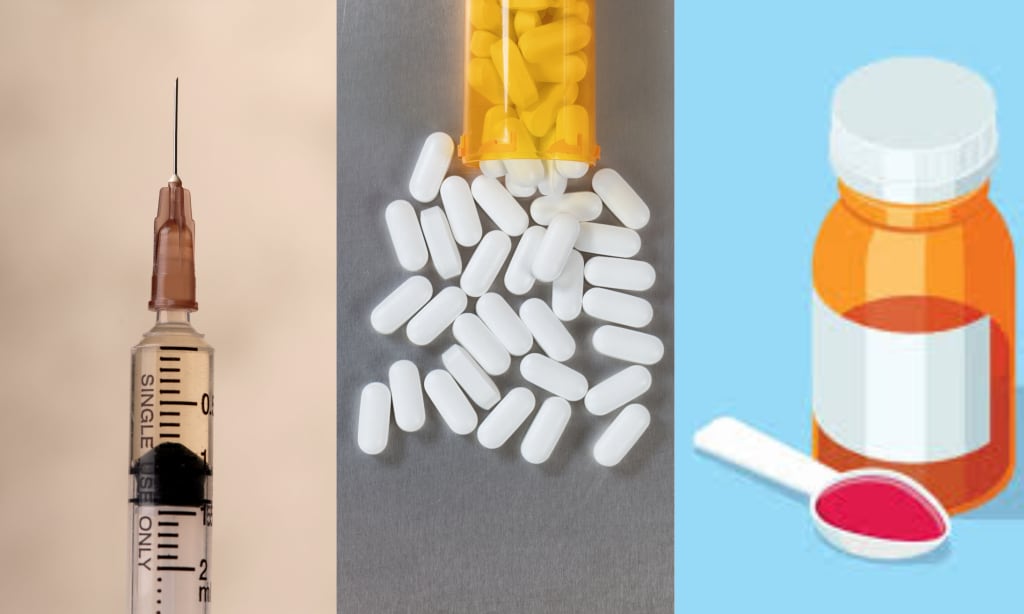
- Lipfendra list price: about $315 per month (roughly $3,780 per year), which is about one third of the historical list price of the injectable PCSK9 shots (Peptide News Digest).
- Repatha list price: about $487.50 per month ($5,850 per year), but Amgen now offers a direct-to-patient cash program called AmgenNow at $239 per month (