
Ever bite into a lemon and instantly feel your lips pucker and your mouth water? Maybe your eyes squint, too. That’s the unmistakable punch of sour foods.
But lemons aren’t the only foods that make your face twist. Sour flavors pop up everywhere—limes, grapefruit, tamarind, green mango, yogurt, pickles, vinegar, cranberries, and pretty much anything fermented can give you that sharp, tangy kick.
Some foods come by their sourness naturally—they’re loaded with acids. Others get that way through fermentation or the way they’re prepared.
So what’s really going on? What makes something taste sour? And which foods are the sourest of all?
Let’s break it down. This guide covers a full rundown on sour foods, a list of popular sour fruits, healthier sour snacks, how sour and tart differ, and the science behind what makes our tastebuds tingle.
What Exactly Is Sour?
Sour is one of those basic tastes we pick up right away. You know the feeling—a sharp, tangy rush that hits your tongue when you bite into a lemon, splash vinegar on a salad, or grab a spoonful of yogurt. That zing? It’s all about acids.
Different foods bring different acids to the table. Lemons, limes, oranges, and grapefruits hit you with citric acid. Apples, cherries, and a bunch of berries pack malic acid. Grapes and tamarind have tartaric acid. Yogurt and other fermented stuff? Lactic acid. Then there’s vinegar, famous for its punchy acetic acid.
But acidity isn’t the whole story. Sugar can counterbalance sourness. That’s why an orange, which actually has acid, tastes sweet compared to a lemon.
What Makes Food Taste Sour?
The short answer: acids.
Here’s what happens: When you eat something acidic, it releases hydrogen ions in your mouth. Your taste buds pick them up and fire off a “wow, that’s sour!” message to your brain.
Still, the way each acid hits is a bit different. Citric acid gives lemons and limes their clean, sharp edge. Malic acid is behind that bright tartness in green apples. Acetic acid? That’s the bite in vinegar.
That’s also why sour candy tastes its own kind of sour—manufacturers use a blast of citric or malic acid for an ultra-intense hit.
Sour vs. Tart: So, What’s the Difference?
People go back and forth between “sour” and “tart,” but there’s a small difference. Sour is usually stronger and more mouth-puckering. Tart is sharp, but often a bit more balanced, maybe with some sweetness or fruitiness hanging around.
Sour things: lemon juice, vinegar, pickle juice, sour candy.
Tart things: green apples, cranberries, tart cherries, pomegranate.
So if you call something tart, you probably mean it’s sour, just not knock-your-socks-off sour.
Sour vs. Bitter
Sour and bitter are totally different ball games. Sour comes from acidity. Bitter is a different taste, from different compounds, picked up by different taste buds.
A lemon? That’s sour. Black coffee? Bitter. Grapefruit? Somehow, both.
“Bitter” tends to be a turn-off for many people, which is why bitter foods often need sugar or salt to balance the flavor.
What About Tangy?
Tangy is that lively, pleasantly sharp taste. It’s not usually as intense as “sour” (think lemon juice) but still has enough edge to make things interesting.
Yogurt is tangy. Salsa, chutney, pickles, mustard, salad dressings—many of those sit in the tangy zone, blending acidity with sweetness, salt, or spice.
25 Sour Foods to Know
Here’s a list to make your mouth water (or pucker):
1. Lemons – The classic. Full of citric acid, used everywhere from lemonade to salad dressings.
2. Limes – Another sour superstar, perfect in drinks, curries, desserts, and sauces.
3. Grapefruit – Not just sour; it’s got sweetness and bitterness, too.
4. Tamarind – Tangy to the extreme when unripe, but gets sweeter as it matures. Amazing in chutneys, drinks, and curries.
5. Green Mango – Crunchy and mouth-puckering when unripe; a staple in many Asian salads and snacks.
6. Cranberries – Naturally tart, almost astringent; often sweetened in juice and sauces.
7. Gooseberries – Can swing from mild to extreme in the tart department, especially when green.
8. Green Apples – Tart, crisp, with just enough sweetness to keep you coming back.
9. Tart Cherries – Much more acidity than sweet cherries; great in juices, pies, and jams.
10. Passion Fruit – Sweet-tart, aromatic, and intense; makes juices pop.
11. Kiwi – The sourness ramps up if it’s a bit underripe.
12. Pineapple – Sweet and juicy, but definitely rocking some natural acidity.
13. Sour Oranges – Some varieties are surprisingly tangy and excellent for marmalades or marinades.
14. Pomegranate – Sweet-tart seeds, varying depending on the fruit’s ripeness.
15. Red Currants – Tiny, jewel-like berries with a bright tart punch.
16. Rhubarb – So tart it’s rarely eaten raw; usually paired with sugar in desserts.
17. Vinegar – Packs a sharp, nose-tingling sourness thanks to acetic acid.
18. Pickles – Sour from vinegar or fermentation, often both.
19. Yogurt – Fermented, with a gentle, ongoing tang.
20. Kefir – Like yogurt, but usually sharper and a bit effervescent.
21. Kimchi – Gets more acidic as it ferments; a little spicy, a little salty, a little sour.
22. Sauerkraut – Cabbage transformed into a tangy, crunchy sidekick through fermentation.
23. Sourdough Bread – That signature “tang” comes from acids made by wild fermentation.
24. Sour Cream – Rich, smooth, with gentle, creamy acidity.
25. Sour Candy – Not exactly healthy, but unforgettable for its face-twisting intensity.
Sour Fruits: The Greatest Hits
Wondering what fruits push the sour button? Try:
- Lemon
- Lime
- Grapefruit
- Tamarind
- Cranberry
- Gooseberry
- Green apple
- Green mango
- Tart cherry
- Passion fruit
- Kiwi
- Pineapple
- Pomegranate
- Red currant
- Sour orange
- Kumquat
- Calamansi
Fruit doesn’t stay at the same sourness forever, though. Ripeness and variety play a huge role—an underripe kiwi is way more sour than a ripe one.
What’s Citrus, Anyway?
Citrus means fruits like lemons, limes, oranges, grapefruit, mandarins, pomelos—all those sunny, zesty guys.
“Citrus” doesn’t mean “sour” automatically. Oranges, for example, have acid but taste sweet because of all their sugar.
What Foods Really Have Citric Acid?
Citric acid is all over the citrus family:
– Lemons
– Limes
– Oranges
– Grapefruit
– Tangerines
– Pomelos
And you’ll also spot it as an ingredient in sodas, candies, and processed foods (it adds acidity or helps with preservation). There’s even a powder called “sour salt,” which is just food-grade citric acid—totally different from actual salt.
The Sourest Foods in the World
There’s no universal champ, but if you want seriously sour, try:
– Lemon or lime juice
– Unripe tamarind
– Green mango
– Cranberries
– Gooseberries
– Umeboshi (pickled Japanese plum)
– Bitingly strong vinegar
– Super sour candies
Basically, anything loaded with acid and not much sugar makes the list.
Looking for Healthy Sour Foods?
Not all sour flavors are created equal. A wedge of fresh kiwi and a sour gummy both taste tangy, but only one packs vitamins and fiber.
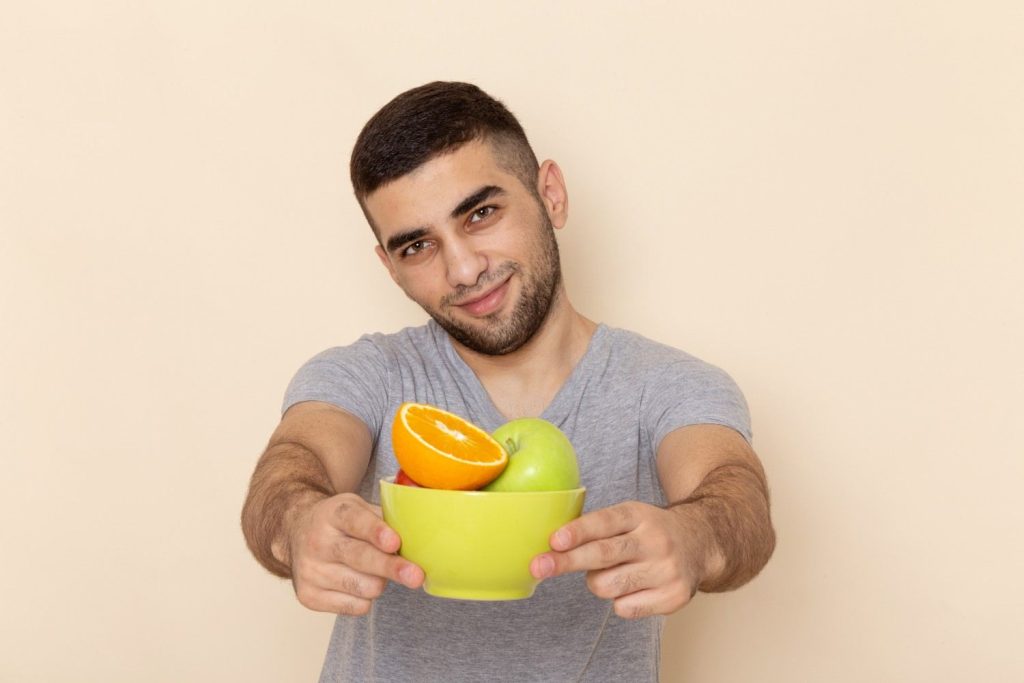
Some good-for-you sour snacks:
– Plain yogurt—throw in some berries!
– Green apple slices
– Kiwi
– Grapefruit
– Pomegranate
– Mixed berries
– Pineapple
– Green mango
– Pickled or fermented veggies (kimchi, sauerkraut, etc.)
– Cucumber spritzed with lemon or lime
These sour foods can be part of a varied, nutrient-rich diet. If you’re looking for more nutritious options, check out our guide to foods that increase blood flow for more ideas.
Why Do I Crave Sour Foods?
Cravings are a bit of a mystery—maybe you just love the refreshing jolt, or you’re bored of bland foods. Sometimes, people crave sour flavors for the wake-up-it-gives-your-mouth feeling.
If you’re craving nothing but sour all the time and it worries you, check in with a professional. Otherwise, it’s probably just about personal taste.
How to Fix Foods That Are Too Sour
Oops—too much lemon or vinegar in your recipe? You can rescue your meal:
– Add something sweet—sugar, honey, even a dash of maple syrup.
– Dilute—add more of the main, non-sour ingredients (broth, veggies).
– Stir in something rich—cream, coconut milk, butter (especially in curries and sauces).
– Add bulk—rice, potatoes, beans, other mild ingredients will mellow things out.
The idea isn’t to scrub out all the acid, just to restore balance.
Is Sour Food Spoiled Food?
Nope! Plenty of foods are SUPPOSED to be sour. Yogurt, kefir, kimchi, sauerkraut, sourdough—that sourness happens thanks to controlled fermentation.
Spoiled foods, on the other hand, can develop an odd sour smell or taste unexpectedly—and that’s not safe. If you ever doubt food safety, toss it. Don’t risk it.
The Fruit That Makes Sour Taste Sweet
Here’s something wild: miracle fruit. It’s a berry (Synsepalum dulcificum) that messes with your taste buds. Eat one, then bite into a lemon, and suddenly—lemons taste sweet! Your brain gets tricked for a while. The fruit doesn’t add sugar to the lemon; it just temporarily changes your taste perception.
Quick Questions, Quick Answers
Q. What’s a sour food?
Anything with a strong acidic flavor—lemons, limes, vinegar, yogurt, pickles.
Q. Popular sour foods?
Lemons, limes, grapefruit, tamarind, green mango, cranberries, yogurt, vinegar, pickles, kimchi, and sauerkraut.
Q. What’s a sour fruit?
Lemon, lime, grapefruit, tamarind, cranberry, gooseberry, green mango, tart cherry, passion fruit.
Q. Are lemons sour?
Big time.
Q. Is grapefruit sour?
Yes, and sometimes bitter, too.
Q. Is citric acid sour?
Absolutely—the main reason citrus tastes the way it does.
Q. What is sour salt?
Food-grade citric acid powder.
Q. Sour vs. bitter?
Sour = acidic; bitter = different taste entirely.
Q. Is tart just a milder sour?
Pretty much.
Q. What does tangy taste like?
Pleasantly sharp, lively, a bit acidic (yogurt, pickles, chutneys).
Q. Can I eat sour foods?
Most natural sour foods are fine for most people! Just consider the food overall, and your own needs.
Final Thoughts
Sour foods are everywhere—lemons, limes, tamarind, green mango, cranberries, yogurt, pickles, kimchi, sauerkraut, sourdough bread… they all bring acidity and excitement to your plate.
Acids like citric, malic, lactic, and acetic drive those flavors, but sugar, ripeness, and other ingredients change how you experience them.
If you want to eat more healthy sour foods, go for fresh fruits, regular yogurt, and good-for-you fermented fare—not just whatever seems most mouth-puckering.
The best sour food doesn’t just make you wince—it should keep you coming back for another bite.