
🩺 By Dr. Kulmeet Kundlas, MD — Board-Certified Internal Medicine, Shield Medical Group
Black coffee and kidney health are closely connected. Learn six steps to protect your kidneys, key tests, kidney-friendly foods, and daily habits from a doctor.
 Black Coffee and Kidney Health: Essential Facts for Every Coffee Drinker
If you start every morning with a cup ofblack coffee, you may wonder how that daily ritual affects your kidneys. The truth is, kidney health deserves far more attention than most people give it. According to theNational Kidney Foundation, one in seven U.S. adults has chronic kidney disease — and a staggering 90 percent of those people do not even know it. Understanding how everyday choices like drinking black coffee, eating certain foods, and managing stress interact with kidney function can be the difference between thriving and facing serious complications down the road.
AtShield Medical Group, we believe prevention starts with education. Below, we walk through the National Kidney Foundation’s six-step guide to protecting your kidneys — plus kidney-friendly foods, alternative therapies, and habits you can adopt today.
Black Coffee and Kidney Health: What Healthy Kidneys Actually Do — and Why Black Coffee Lovers Should Care
Most people know the kidneys filter waste from the blood, but that is only the beginning. Healthy kidneys are master regulators that quietly manage several critical body functions.
- Blood pressure regulation— Kidneys maintain a delicate balance of fluids and hormones that directly affect your blood vessels and blood pressure readings.
- Bone health— They activate vitamin D, which the body needs for calcium absorption and strong bones.
- Red blood cell production— Kidneys signal the body to produce the oxygen-carrying red blood cells that keep you energized.
- Mineral balance— Potassium, sodium, and other electrolytes are kept at safe levels thanks to your kidneys.
Think of your kidneys as the unsung heroes of your inner world. When they work well, everything else falls into place. When they struggle, the consequences ripple outward — heart problems, stroke, nerve damage, and eventually kidney failure that requires dialysis or a transplant.
When it comes to black coffee and kidney health, the evidence is reassuring. Forblack coffeedrinkers, the good news is that moderate coffee consumption has been associated with a neutral or potentially protective effect on kidney function in several observational studies published through theNational Library of Medicine (PubMed). However, individual responses vary, and anyone with existing kidney disease should consult their physician before making dietary changes.
Understanding Your Risk Factors for Kidney Disease
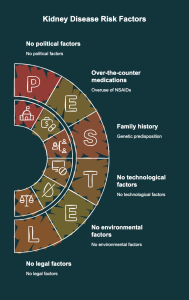
Step two in the National Kidney Foundation’s guide is knowing your personal risk profile. Do any of these sound familiar?
- Diabetes— High blood sugar damages the tiny blood vessels inside the kidneys over time.
- High blood pressure— Constant pressure on those delicate kidney filters causes wear and tear.
- Family history— If kidney disease runs in your family, your risk is higher.
- Overweight or obesity— Extra pounds put added mechanical and metabolic stress on the kidneys.
Less obvious risk factors include advancing age, overusing certain over-the-counter pain medications (NSAIDs like ibuprofen and naproxen), autoimmune conditions such as lupus, and a history of kidney stones.
Knowledge truly is power when it comes to prevention. If you recognize one or more of these factors in yourself, the next step is getting tested — especially because early kidney disease is often completely symptom-free.
Warning Signs You Should Not Ignore
When symptoms do appear, they can be subtle. Keep an eye out for:
- Persistent fatigue
- Changes in urination frequency or volume
- Foamy or bloody urine
- Increased thirst
- Unexplained swelling in the ankles, feet, or face
- Nausea without an obvious cause
These symptoms can point to other conditions as well, so this is not about self-diagnosing. It is about knowing when toschedule a check-upwith your doctor.
Key Kidney Tests and How Black Coffee Fits Into the Conversation
If you are at risk, three tests form the foundation of kidney screening. Ask your doctor about all three at your next visit.
Blood Pressure Check
High blood pressure is a major culprit in kidney damage. A target below 140/90 is a good general goal. If you already have kidney disease, aim for below 130/80. The lower the pressure, the less stress on those delicate kidney filters.
One common question patients ask is whetherblack coffeeraises blood pressure enough to harm the kidneys. Caffeine can cause a short-term spike, but for most healthy adults, the effect is modest and temporary. If you have hypertension, discuss your caffeine intake with your provider to find the right balance.
Urine Albumin-to-Creatinine Ratio (UACR)
This test measures how much albumin — a protein — is leaking from your blood into your urine. A UACR below 30 means your kidneys are keeping protein where it belongs. Values above 30 may signal early kidney damage that warrants further evaluation.
Estimated Glomerular Filtration Rate (eGFR)
This blood test checks how efficiently your kidneys filter waste. Think of it as measuring the horsepower of your kidney filters. An eGFR above 90 indicates strong function. The lower the number, the less effectively your kidneys are cleaning your blood.
If you are a regularinternal medicinepatient at Shield Medical Group, these tests can be incorporated into your annual wellness exam.
Managing Kidney Disease: Practical Steps That Protect Your Filters
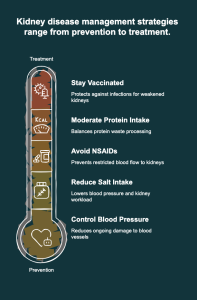
A kidney disease diagnosis is not game over. The National Kidney Foundation outlines several evidence-based strategies that can slow progression and improve quality of life.
- Control blood pressure and blood sugar.Keeping these numbers in a healthy range reduces ongoing damage to the tiny blood vessels inside the kidneys.
- Reduce salt intake.Excess sodium raises blood pressure and forces the kidneys to work harder.
- Avoid NSAIDs.Over-the-counter pain relievers like ibuprofen and naproxen can restrict blood flow to the kidneys. Talk to your doctor about safer alternatives.
- Moderate protein intake.When kidneys are not functioning at their best, processing protein waste becomes a challenge. A registered dietitian can help you find the right balance.
- Stay up to date on vaccinations.People with kidney disease are more vulnerable to infections. COVID-19 and flu vaccines act as a shield, providing extra protection for already weakened kidneys.
These strategies are not just for people who already have kidney disease. They are good habits for everyone — a lifelong investment in kidney health that pays dividends across your entire body.
Everyday Habits and Kidney-Friendly Foods for Black Coffee Enthusiasts
The National Kidney Foundation’s final step focuses on 10 powerful habits for healthy kidneys. Here is the full list, including where your morning cup ofblack coffeefits in.
10 Kidney-Boosting Habits
- Move your body.Regular exercise — whether it is the gym, a walk, or dancing around the living room — benefits your kidneys as much as your heart.
- Manage your weight.Extra pounds increase your risk for diabetes and high blood pressure, both of which harm the kidneys.
- Eat a balanced diet.Prioritize fruits, vegetables, whole grains, and lean proteins. Limit processed foods, sugary drinks, and unhealthy fats.
- Quit smoking.Smoking damages blood vessels throughout the body, including the vital filters in your kidneys.
- Moderate alcohol.Excessive intake can directly damage kidney tissue and worsen existing problems.
- Stay hydrated.Drinking plenty of water helps your kidneys flush out waste products. Eight glasses a day is a reasonable starting point — adjust based on activity and climate.
- Monitor cholesterol.High cholesterol can clog arteries and reduce blood flow to the kidneys.
- Get regular checkups.An annual physical allows your doctor to catch problems early.Learn more about our providers.
- Stay vaccinated.Vaccines protect against infections that can harm kidney tissue.
- Know your family history.A simple conversation with relatives about kidney disease or related conditions can give you valuable information to share with your doctor.
Kidney-Friendly Superfoods
Pair yourblack coffeewith these nutrient-dense foods to give your kidneys the VIP treatment they deserve.
- Berries— Blueberries, raspberries, and strawberries are loaded with antioxidants.
- Fatty fish— Salmon, tuna, and mackerel provide omega-3 fatty acids with powerful anti-inflammatory properties.
- Leafy greens— Spinach, kale, and collard greens are low in potassium, phosphorus, and sodium — a triple win.
- Cauliflower— Low in potassium and a good source of vitamin C, fiber, and antioxidants. Roast it, mash it, or rice it.
- Red bell peppers— Low in potassium, rich in vitamins A, C, and B6, and extremely versatile.
- Garlic— A flavor enhancer with anti-inflammatory properties that may help lower blood pressure.
- Onions— A low-potassium staple that adds depth to any meal.
- Apples— High in fiber and anti-inflammatory compounds.
- Cranberries— Known for urinary tract benefits, they also offer antioxidants that support kidney health year-round.
Complementary Therapies: A Balanced Look at Alternative Kidney Support
Many patients ask about natural approaches to kidney health. It is important to approach this topic with a balanced perspective: complementary therapies should work in harmony with — not replace — conventional medical treatment.
Herbal Options Under Study
- Dandelion— A natural diuretic that may help increase urine output and flush excess fluids. Dandelion leaves are also rich in potassium.
- Nettle leaf— Traditionally used for kidney support, nettle leaf has been explored in preliminary research for its potential anti-inflammatory properties.
- Chanca piedra (stonebreaker)— An herb traditionally used to support kidney stone prevention. More research is needed to confirm its effectiveness and safety.
Mind-Body Practices
- Acupuncture— Some studies suggest potential benefits for people with chronic kidney disease, though research is ongoing.
- Yoga and meditation— Chronic stress releases hormones that raise blood pressure and contribute to kidney damage over time. Regular relaxation practices can help counter this effect.
Important:Always discuss any herbal supplements or alternative therapies with your doctor before starting them. Some herbs can interact with medications or affect kidney function in unexpected ways.
Medical Disclaimer: This content is for educational purposes only and does not constitute medical advice, diagnosis, or treatment. Always consult a qualified healthcare provider for personalized guidance regarding your kidney health.
Frequently Asked Questions
Frequently Asked Questions About Kidney Health
Is black coffee bad for your kidneys?
For most healthy adults, moderate black coffee consumption is not harmful to the kidneys and may even have a neutral to slightly protective effect. However, individuals with existing kidney disease or uncontrolled high blood pressure should discuss their caffeine intake with a doctor.
What are the first signs of kidney disease?
Early kidney disease is often symptom-free, which is why regular testing is critical. When symptoms do appear, they may include fatigue, changes in urination, foamy or bloody urine, swelling, and increased thirst.
What foods are good for kidney health?
Berries, fatty fish like salmon, leafy greens, cauliflower, red bell peppers, garlic, onions, apples, and cranberries are all kidney-friendly superfoods. These foods are low in potassium and sodium while being rich in antioxidants and anti-inflammatory compounds.
How often should I get my kidneys tested?
If you have risk factors like diabetes, high blood pressure, a family history of kidney disease, or obesity, you should ask your doctor about kidney screening at your annual physical. The three key tests are blood pressure, UACR, and eGFR.
Can you reverse kidney disease with diet and lifestyle changes?
While kidney damage generally cannot be fully reversed, early-stage kidney disease can often be slowed or stabilized through blood pressure control, blood sugar management, dietary changes, and avoiding NSAIDs. Working with your doctor and a registered dietitian is essential.
How much water should I drink for healthy kidneys?
A good starting point is eight glasses of water per day, but individual needs vary based on activity level, climate, and overall health. Listen to your body, drink when you are thirsty, and consult your doctor if you have kidney disease.
<
The bottom line on black coffee and kidney health is encouraging: for most people, black coffee and kidney health can go hand in hand when enjoyed in moderation. If you already live with kidney disease, ask your doctor how black coffee and kidney health guidance applies to your specific situation, since black coffee and kidney health needs can vary from person to person.
/p>