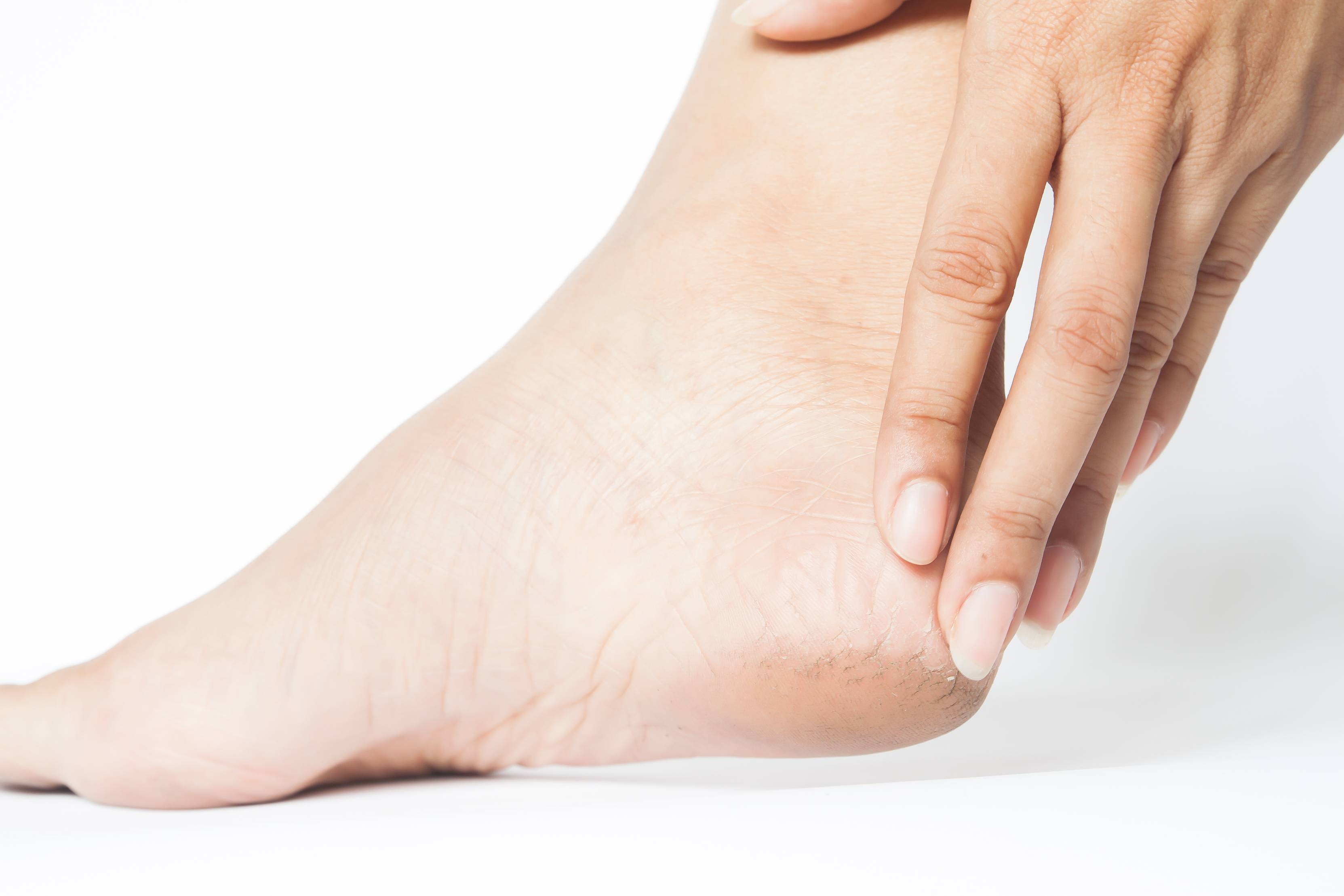
Dark spots on your legs are pretty common, and they show up for all sorts of reasons. Maybe you notice little brown marks after shaving, darker patches from old bug bites, or rough spots near your thighs or ankles. Sometimes, it’s just a random patch that makes you wonder, “Where’d this come from?”
Most of the time, these marks come from hyperpigmentation — basically, your skin makes extra melanin after it’s been irritated, inflamed, injured, or baked in the sun. But sometimes, dark spots point to bigger things like circulation issues, diabetes, or certain skin conditions.
The good news? A lot of these marks fade on their own with the right care and if you deal with whatever caused them.
Here’s the low-down: what causes these spots, how to fade them, what actually works, what so-called “natural” remedies to skip, and how to know when it’s time to see a doctor.
What Causes Dark Spots on Legs?
There isn’t just one reason. Where the spot appears and what it looks like really matters.
The most common culprits:
– Sun exposure
– Shaving and ingrown hairs
– Insect bites
– Scratches or cuts
– Eczema or other rashes
– Dry, irritated skin
– Friction (think thighs rubbing together in the summer)
– Acne-like bumps or folliculitis
– Aging and sun spots
– Certain medications or medical issues
– Circulation problems, especially around the lower legs
A lot of the time, it’s post-inflammatory hyperpigmentation — that’s a fancy way of saying your skin gets darker where it healed from some kind of irritation. You pick at a bug bite, it gets inflamed, finally heals — but now there’s a stubborn brown mark that lingers for months.
Sun Exposure and Dark Spots
Too much sun is a classic trigger. UV rays ramp up melanin, so with enough time you end up with freckles, age spots, and uneven patches. You’ll recognize:
– Light brown spots
– Freckles scattered on your shins or calves
– Uneven tan lines or dark patches after a summer outside
Protect your skin. Use broad-spectrum SPF 30+ every day your legs are out, not just at the beach. This isn’t just about preventing new marks. If you’re treating spots, sun keeps undoing your progress.
Shaving, Ingrown Hairs, and Spots
Shaving is rough on your legs. It causes nicks, razor bumps, ingrowns, and all those can leave marks once the irritation calms down. If you see black dots, small brown marks, or dark spots around follicles — especially itchy bumps after shaving — that’s what’s going on.
Want fewer spots? Don’t dry shave, use a clean razor, don’t keep going over the same spot, and definitely stop picking ingrowns. Treat your skin gently so you aren’t fighting an endless cycle of new spots.
Dark Spots on Your Inner Thighs
If you notice darkness between your thighs or in spots where your skin and clothing rub, it’s probably friction. Walk a lot, sweat, wear tight clothes, or just have skin that touches — irritation builds up and eventually, you get brownish patches.
Don’t just chase the pigment. Use softer fabrics, keep skin dry, stay away from harsh scrubs, and let irritated areas heal.
Dry, Dark Patches
Dry skin makes everything more visible. If it’s really dry — itchy, flaky, or cracked — you might scratch or rub, making it darker. After eczema clears up, it sometimes leaves behind stubborn dark spots, too.
If patches are itchy, painful, or keep coming back, you’ll need to address the skin issue itself — not just the spot left behind.
When Your Lower Legs Get Darker
Dark spots around your lower legs and ankles aren’t always just from sun. Sometimes, especially if you have swelling, aching, or varicose veins, it’s a blood flow problem. You might notice a brownish area that keeps spreading or getting darker.
If your legs feel heavy, swollen, or you notice sudden changes in color, talk to your doctor. Don’t brush it off as “just a spot.”
Can Diabetes Cause Dark Spots?
Yes. Diabetes can affect your skin in a bunch of ways. Diabetic dermopathy, for example, causes small brownish spots on your shins and lower legs. But not every mark on a diabetic’s legs is from diabetes.
If you have diabetes and your skin suddenly looks different, especially on your feet, get it checked out. You can also learn more about the early warning signs of diabetes, including symptoms such as tingling in the feet, slow-healing wounds, frequent urination, and unexplained changes in your health.
Burning, Tingling, and Spots?
If dark spots come with burning, tingling, or numbness — especially in your feet — that’s something you shouldn’t ignore. It could be nerve-related, like diabetic neuropathy, but even if not, these symptoms need a real evaluation. Skin-lightening cream won’t fix it.
What About Brown Spots on Legs and Feet?
Lots of things can cause brown spots: sun, age, bites, injuries, inflammation, and even friction. If you also notice unusual spots or skin changes on your feet, learn more about the common causes of red spots on the feet and when they may need medical attention.
Pay special attention if you notice a new, quickly changing, or oddly shaped black spot on the bottom of your foot. Melanoma, though rare, can show up here. If a dark spot is new, growing, changing, bleeding, or just feels off, get it checked.
How to Get Rid of Dark Spots on Legs
First things first, figure out the cause and stop irritating your skin.
Do this:
- Stop doing whatever’s hurting your skin (shaving, picking, harsh products).
- Treat any rashes or inflammation.
- Use sunscreen on exposed areas.
- Moisturize.
- Try a pigmentation treatment if needed.
- Be patient — real improvement takes time.
Harsh fast fixes usually backfire and make things worse.
How to Lighten Dark Spots
Some ingredients that help fade hyperpigmentation:
- Azelaic acid evens out dark patches, especially after inflammation.
- Niacinamide strengthens the skin and may even out tone over time.
- Glycolic acid gently exfoliates. Start slow; it can irritate if overused.
- Vitamin C is an antioxidant that helps fade spots and defend against further damage.
- Retinoids speed up skin cell turnover, gradually fading marks. Only use them as directed because they can irritate skin at first.
Don’t pile everything on at once. Too many actives lead to irritation, which means more dark spots.
Treating Tougher Spots
If over-the-counter stuff isn’t working, a dermatologist can help. They might suggest:
– Prescription creams (like stronger retinoids or hydroquinone)
– Chemical peels
– Laser treatments
– Other in-office procedures
And sometimes, you need to address an underlying problem first — like eczema, folliculitis, or poor circulation — before the dark areas will fade.
Natural Remedies — Are They Safe?
Everyone loves a DIY fix. But honestly, kitchen stuff like lemon juice, vinegar, or baking soda can burn, irritate, or mess up your skin barrier. That risk of new irritation just leads to more spots.
Stick with:
– Gentle cleansers
– Consistent moisturizing
– Sun protection
– Avoiding scratching and friction
– Treating any underlying irritation
If you want to try a “leg mask,” use something made for skin — not what’s sitting in your fridge.
Getting Rid of Brown Spots
If you’re dealing with regular pigment spots and nothing more, a simple, steady routine works best.
Morning: Gentle body wash, moisturizer, SPF 30+ on any exposed skin
Evening: Gentle cleansing, one pigmentation treatment, then moisturizer
Don’t scrub hard. Over-exfoliating just triggers new marks. Patience really does pay off.
How Long Until Spots Fade?
Don’t expect miracles overnight. A lot depends on your skin tone, what caused the spot, how long it’s been there, and whether you keep getting new irritation. Superficial marks can fade in a few months. Deeper ones may stick around longer.
Crucially, stop the cycle — if you keep getting new spots from shaving or scratching, you’ll never get ahead.
Dark Scars vs. Pigmented Spots
Not every dark mark is a “scar.” True scars are raised, indented, thick, or have a different feel than the skin around them. If the mark is flat and just darker, it’s probably hyperpigmentation. Fading the color is possible, but texture won’t change unless you treat the actual scar.
When Should You See a Doctor?
Most spots aren’t dangerous. But any spot that’s totally new, growing, changing shape or color, bleeding, raised, persistent, painful, or just seems out of the ordinary deserves a check by a dermatologist.
In particular, look out for these “ABCDE” warning signs:
A — Asymmetry: One half doesn’t match the other
B — Border: Edges look weird or jagged
C — Color: Several colors in one spot
D — Diameter: Larger than usual, though smaller melanomas exist
E — Evolving: Spot changes over time
These don’t guarantee something’s cancerous, but they mean you shouldn’t ignore it.
What Not to Do
- No bleach. It’s not a whitening treatment — it’ll wreck your skin.
- Don’t scrub hard. That just causes new inflammation.
- Stop picking. Ingrowns, bites, or scabs will leave more spots.
- Don’t pile on too many acids at once.
- Definitely avoid sketchy bleaching creams making extreme promises or hiding ingredients.
Final Thoughts
Dark spots on your legs happen for a ton of reasons — sun, shaving, bites, friction, eczema, dryness, old injuries, circulation issues, even diabetes. Figuring out what’s behind yours is step one.
To fade marks, start with the basics: stop creating new irritation, moisturize, protect with sunscreen, and consider gentle proven treatments like azelaic acid, niacinamide, glycolic acid, vitamin C, or a retinoid.
Forget “miracle” fast fixes. Most spots fade slowly. If a spot is new, changing, painful, bleeding, or just not right, let a pro take a look. You’re not just chasing clearer legs — you’re taking care of your health from the source.