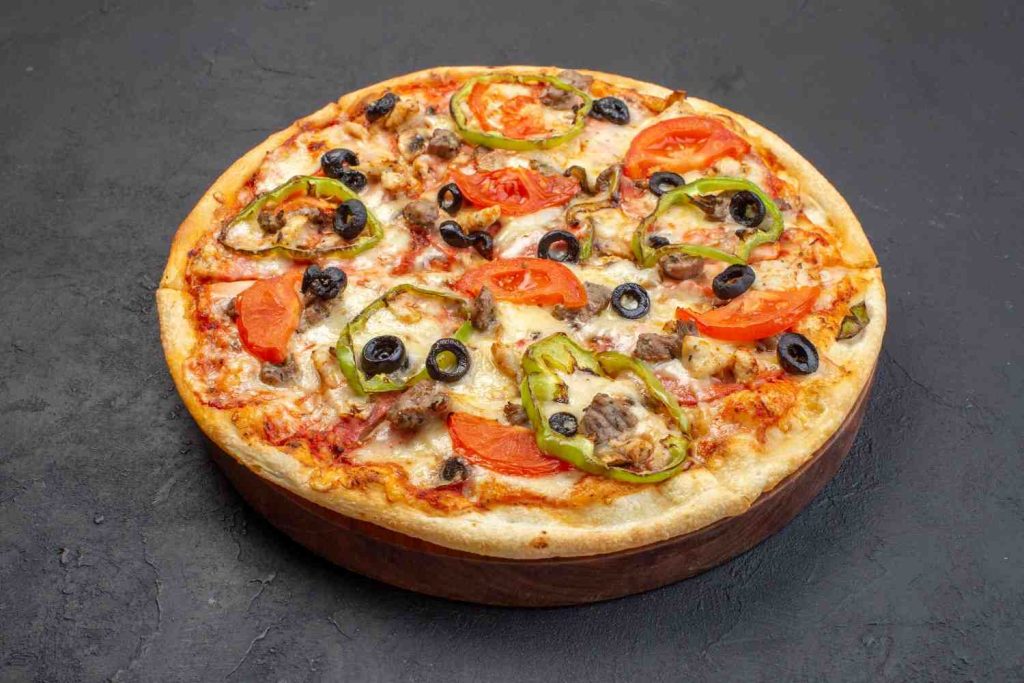
Pizza. Just saying the word makes people grin. But if you’ve got diabetes, pizza can come with a side of guilt, worry, and way too much conflicting advice.
So let’s just say it straight:
Can you eat pizza if you have diabetes?
Is pizza really that bad for you?
How much is too much?
And is there such a thing as a “diabetic-friendly” pizza?
Can Diabetics Eat Pizza?
Yep, you can eat pizza if you have diabetes. But let’s be real, how you eat it, how much you eat, and how often you reach for a slice make a big difference.
Pizza isn’t off-limits. It’s just a little complicated.
Here’s why: pizza brings together some tricky stuff
Refined carbs in the crust
Fat from all that cheese and meat
A ton of salt
And sometimes, yes, there’s even added sugar
That mix can send your blood sugar on a rollercoaster, often hours after you eat. That’s why pizza can feel so unpredictable if you have diabetes.
What Makes Pizza Mess With Blood Sugar
Let’s break it down:
1. Carbs in the Crust
Most pizza crusts start with white flour, which turns to glucose fast. If you’ve ever typed “thin wheat pizza diabetes” at 2 a.m., you’re trying to figure out if thinner or whole wheat crusts are any better. They can help—a little—but they’re not some miracle fix.
2. Fat Slows Everything Down
Cheese, pepperoni, sausage, oil—all of it slows digestion. So your blood sugar might look fine at first, then jump way up a few hours later. That’s why people say “pizza hits later.”
3. Salt Content? Through the Roof
Pizza is salty. Like, really salty. Take a slice of Little Caesars cheese pizza—400 to 500 mg of sodium, easy. If you’re dealing with diabetes and high blood pressure, that’s something to watch.
So, Is Pizza Bad for Diabetics?
Pizza isn’t the villain. But making it a habit? That’s where trouble starts.
Here’s the truth:
Pizza gets risky if you eat huge portions, eat it all the time, wash it down with soda, skip the fiber or protein, or don’t keep an eye on your blood sugar later.
How Much Pizza Can You Actually Eat?
This is what everyone wants to know, and most articles never say.
Here’s a good place to start:
One slice — that’s reasonable.
Two slices — maybe, depending on size and toppings.
Three or more — usually too much.
So yes, you can work a slice into your diet, but not every single day.
How to Keep Your Blood Sugar in Check With Pizza
- Eat pizza with a salad or some veggies.
- Skip the soda. Drink water instead.
- Take a short walk after you eat—10 or 15 minutes helps.
- Don’t just check your blood sugar right after eating. Check again a few hours later.
What About “Severe” Diabetes?
If your blood sugar is all over the place, you’re dealing with complications, or your readings run high a lot, pizza should be a rare treat. You don’t have to quit pizza forever, but you do need to stick with small portions, better crusts, and pay more attention to your numbers.
And If You Use an Insulin Pump?
You can eat pizza with an insulin pump, but timing is everything. Pizza often needs an extended or split bolus, and sometimes you have to follow up with corrections. Lots of pump users struggle because the spike shows up hours later. The trick is to track how your own body reacts.
Does Pizza Have Sugar?
This catches people off guard.
Yep, pizza has sugar, even if it doesn’t taste sweet.
Where does it come from? Mostly the tomato sauce—companies love sneaking sugar in there. The dough too, thanks to fermentation. And honestly, some toppings aren’t innocent either.
Sure, it’s not like eating a jelly donut. But sugar is sugar.
Is Gluten-Free Pizza Safe for Diabetics?
People wonder if gluten-free pizza’s better for diabetes.
Straight up—gluten-free doesn’t mean low-carb. In fact, a lot of gluten-free crusts raise blood sugar even faster. That’s because they usually swap wheat for rice flour or potato starch. If you’re gluten-sensitive, go for it. Otherwise, don’t expect it to work magic for your blood sugar.
Can Diabetics Eat Pepperoni?
Yes, diabetics can eat pepperoni. Just don’t go wild.
Pepperoni itself doesn’t have carbs, so it won’t spike blood sugar right away. But it’s packed with fat and sodium. The fat slows digestion, which can cause a delayed bump in your levels. Basically, moderation is key.
Is Mozzarella Cheese Good for Diabetics?
Here’s some good news—mozzarella is one of the better cheeses out there for diabetics.
It’s got protein, barely any carbs, and actually slows down how fast your body digests food. But watch out for the saturated fat. Keep your portions reasonable.
What’s the Deal with Popular Pizza Chains?
Let’s get real.
Little Caesars
People ask all sorts of things—like how much grain is in their pizza, or if it causes cancer. That last one? Totally false. There’s zero proof pizza gives you cancer.
But Little Caesars pizza? It’s loaded with refined grains and sodium. And it hits your blood sugar hard. Save it for a treat, not a weekly habit.
Domino’s & Pizza Hut
And yes, you can tip online. Just making sure you know.
If you’re ordering, here’s how to make it a little healthier: Go for thin crust, skip the extra cheese, and pile on those veggies.
Ledo’s Pizza
Ledo’s has a thin crust, which makes portion control easier. But the sodium’s still up there. To keep things friendlier: ask for less cheese, more veggies, and stick to one slice.
Can Pizza Be Healthy?
Absolutely—especially if you make it at home.
Diabetic-Friendly Pizza Tips
Try thin crust or cauliflower crust. Go for whole-wheat dough if you can find the real stuff. Use less cheese, add more veggies, and pick lean proteins like chicken or turkey.
Best Dough Options
Almond flour, chickpea flour, or any good low-carb blend. When you make it yourself, you’re in control. And with diabetes, control matters.
How Often Can I Eat Pizza?
People don’t realize how much this matters.
Here’s a solid guideline:
Once every week or two? No problem.
Every single weekend? That’s pushing it.
Two or three times a week? Not a great idea.
Treat pizza like a special guest, not a roommate.
Bottom Line: You Don’t Have to Fear Pizza
Diabetes doesn’t mean you can’t enjoy life.
Pizza isn’t out to get you—eating too much of it is. So keep an eye on your slices, pick better crusts, balance your meal, and stay on top of your numbers. You can have your pizza and enjoy it too.