

Key Highlights
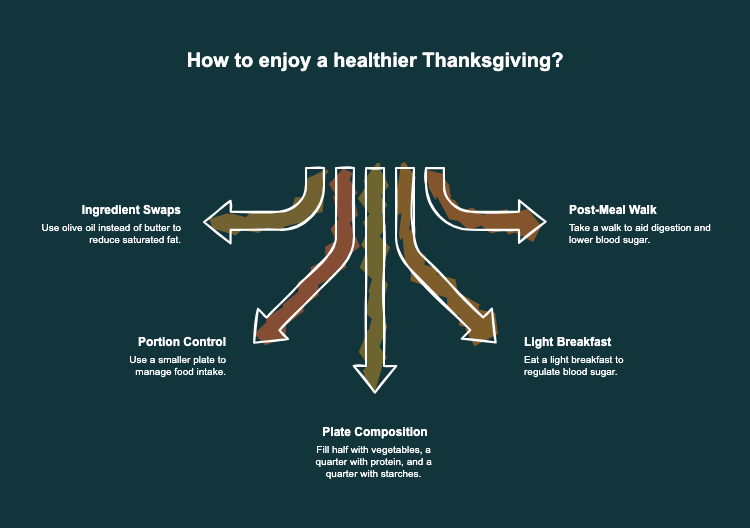
Here’s a quick look at how you can enjoy a healthier Thanksgiving:
- Make simple ingredient swaps in your favorite recipes, such as using olive oil instead of butter.
- Practice portion control by using a smaller plate for your meal.
- Fill half of your plate with vegetables, a quarter with lean protein, and a quarter with starches to maintain heart health.
- Eat a light breakfast on Thanksgiving day to help regulate your blood sugar.
- Take a gentle 10-15 minute walk after your meal to aid digestion and lower blood sugar levels.
Introduction
Thanksgiving is a time for gratitude, family, and, of course, delicious food. But navigating the holiday feast while keeping your health goals in check can feel like a challenge. What if you could enjoy all your favorite dishes without the worry? The good news is, you can. With a few expert tips from a dietitian and a cardiologist, you can make this Thanksgiving a celebration of both flavor and well-being, ensuring your heart health remains a top priority.
Expert-Recommended Principles for a Heart-Healthy Thanksgiving
When it comes to a heart-healthy Thanksgiving, medical experts suggest focusing on balance rather than strict restriction. This approach helps manage your blood pressure and calorie intake without feeling like you’re missing out. Simple changes can make a significant impact on your well-being during the holiday.
By being mindful of your choices, you can enjoy the celebration and still protect your heart. Paying attention to factors like excess sodium and portion sizes is crucial, especially if you are managing a condition or taking heart medications. Let’s look at some specific strategies you can use.
Key Strategies for Making Traditional Dishes Healthier Without Losing Flavor
Contrary to popular belief, making your favorite dishes healthier doesn’t mean you have to sacrifice the flavors you love. A couple of swaps in the kitchen can transform your meal. The key is to focus on the base ingredients.
Making simple ingredient swaps is an effective way to cut down on unnecessary fats and sodium. For instance, you can use heart-healthy olive oil in place of butter for sautéing vegetables or preparing your turkey. These small adjustments add up to a big difference for your health.
Consider these easy changes for your recipes:
- Use low-sodium chicken or vegetable broth.
- Opt for whole-grain bread instead of white bread for your stuffing.
- Thicken gravies with a cornstarch slurry instead of flour and butter.
- Season dishes with herbs and spices instead of extra salt.
Nutrient-Rich Alternatives for Classic Thanksgiving Staples
You can easily upgrade your wondrous Thanksgiving sides and main course with some healthy tweaks. Turkey breast itself is a phenomenal choice, as it’s a lean meat packed with important vitamins and protein. The key to keeping it healthy is in the preparation.
Instead of basting your turkey in butter, try using olive oil and herbs. For side dishes like stuffing, there are simple ways to improve their nutritional profile. Using whole-grain bread instead of white bread adds fiber, and using low-sodium broth can significantly cut down on your salt intake.
Here are some nutrient-rich alternatives to consider:
- Roast sweet potatoes with a sprinkle of cinnamon instead of making candied yams with marshmallows.
- Steam green beans and top with toasted almonds instead of making a creamy casserole.
- Make cranberry sauce from scratch to control the sugar content.
- Mash cauliflower as a lower-carb alternative to mashed potatoes.
Best Choices for a Balanced Thanksgiving Plate
Creating a balanced plate is a simple yet powerful strategy for a healthier Thanksgiving. As Jen Messer, a registered dietitian and president of the New Hampshire Academy of Nutrition and Dietetics, notes, turkey breast is an excellent choice for lean protein. Combine it with plenty of non-starchy vegetables to get important vitamins and fiber.
A simple guide is to divide your plate into sections. This visual cue helps you prioritize nutrient-dense foods while still making room for your favorites. After your meal, consider a gentle walk to aid digestion and help manage your blood sugar.
Here is what a balanced Thanksgiving plate looks like:
|
Plate Section |
Recommended Foods |
|---|---|
|
1/2 of Plate |
Vegetables (e.g., roasted Brussels sprouts, green salad, steamed green beans) |
|
1/4 of Plate |
Lean Protein (e.g., skinless turkey breast) |
|
1/4 of Plate |
Starches (e.g., a small scoop of mashed potatoes, stuffing, or a dinner roll) |
Foods Experts Advise to Avoid for Better Heart Health
For better heart health, medical experts recommend limiting or avoiding certain Thanksgiving staples that are often high in unhealthy fats, sugar, and sodium. Dishes made with large amounts of butter, cream, and processed ingredients can contribute to higher calories and negatively impact your cardiovascular system.
Items like creamy casseroles, rich gravies, and some decadent desserts fall into this category. Also, be mindful of your beverage choices. Sugary sodas and excess alcohol can add empty calories and affect your blood pressure. Traditional stuffing can also be high in sodium and fat depending on how it’s prepared.
For a heart-friendlier meal, try to limit:
- Foods with high amounts of butter and cream.
- Gravies made with pan drippings and refined flour.
- Store-bought items that are often high in excess sodium.
- Sugary drinks and excessive alcoholic beverages.
Food Safety Tips and Gathering Guidelines for a Healthy Celebration
A healthy Thanksgiving goes beyond the food on your plate; it also includes safe food preparation and creating a supportive environment for your guests. As highlighted by experts featured in outlets like USA Today, paying attention to how food is handled and served is a crucial part of any holiday gathering.
From the kitchen in California to homes across the country, these principles ensure everyone stays healthy. Following proper storage advice and simple gathering guidelines can help make your celebration enjoyable and worry-free. Let’s explore how to prepare your meal safely and foster a health-conscious atmosphere.
Safe Food Preparation and Storage Advice from Health Professionals
While specific food temperature rules are vital, safe food preparation also involves the ingredients you choose. Health professionals advise starting with fresh, whole foods whenever possible. This helps you control what goes into your dishes, particularly hidden sodium and preservatives.
Using low-sodium broths and fresh herbs for flavor instead of salt are great examples of safe and healthy preparation. When it comes to storage advice, it’s wise to put away leftovers promptly. Don’t let food sit out at room temperature for more than two hours.
For safer preparation and storage, consider these tips:
- Wash your hands and all surfaces thoroughly before and after handling food.
- Use separate cutting boards for raw meat and vegetables.
- Cook the turkey to the proper internal temperature.
- Store leftovers in small, shallow containers to help them cool quickly in the refrigerator.
Conclusion
As we approach Thanksgiving, it’s essential to remember that enjoying a festive meal doesn’t have to compromise your health. By incorporating expert-recommended principles and smart ingredient swaps, you can create a delicious holiday feast that’s both satisfying and heart-healthy. Mindful eating and portion control will allow you to indulge without overdoing it, while also supporting your overall well-being. Prioritize food safety and create a welcoming environment for your loved ones, ensuring everyone has a joyful and nourishing celebration. This Thanksgiving, let’s focus on balance and health, making choices that reflect care for ourselves and those around us. If you’re looking for tailored guidance, don’t hesitate to get in touch for a free consultation!
Frequently Asked Questions
What are some easy ways to balance indulgence and health on Thanksgiving?
To balance indulgence and health, practice moderation with high-calorie dishes. You can manage your calorie intake by using a smaller plate, making simple swaps in recipes, and ensuring your plate is half-full of vegetables. Be mindful of your portion sizes for starchy foods to keep your meal balanced.
How do medical experts suggest eating mindfully during the holiday?
Experts suggest practicing mindful eating by slowing down and savoring each bite of your Thanksgiving portion. Use a smaller plate and take a brief pause before getting seconds to check if you’re truly hungry. This helps prevent eating to excess and avoids the need for a post-meal nap.
Are there doctor-approved tips for enjoying dessert without guilt?
Yes, you can enjoy dessert guilt-free by practicing moderation. Have a small slice of your favorite treat instead of a large one. Consider choosing desserts that feature fruit to get some important vitamins. The key is to savor a small portion as part of your overall balanced meal.

